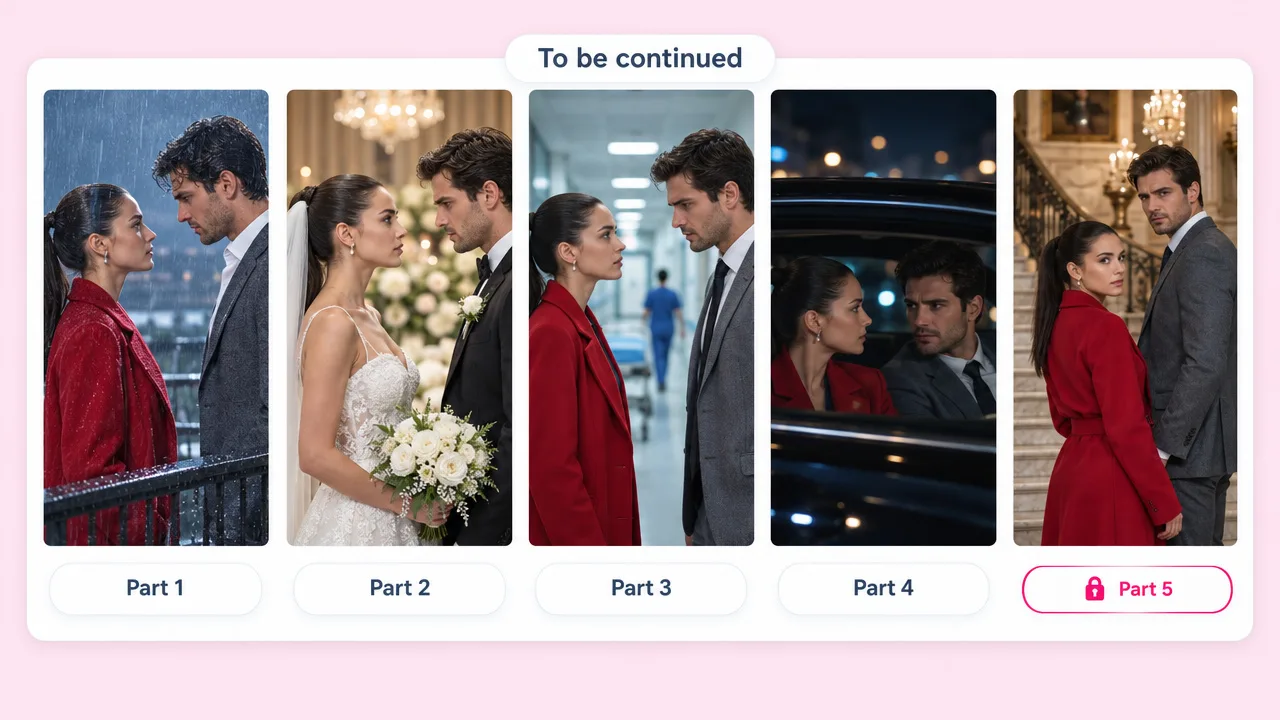
Micro-drama series
Episode after episode, the same show
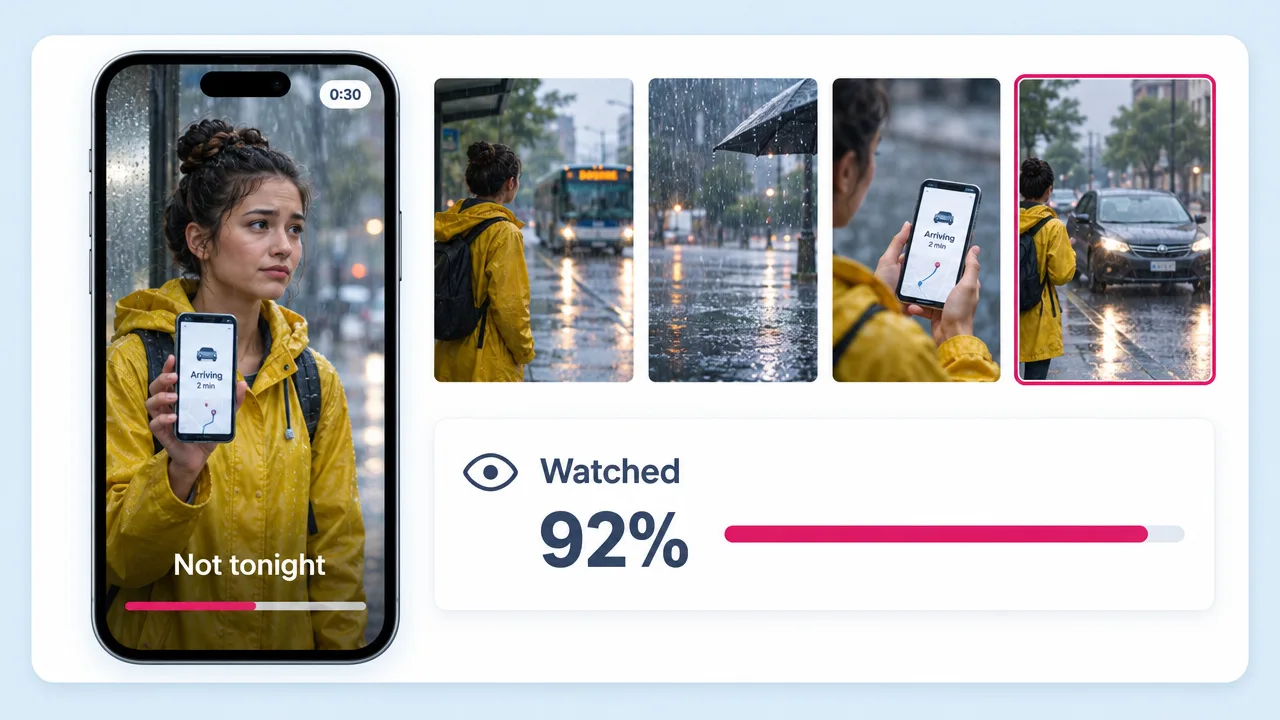
Plan a vertical series in parts, cast the same saved leads in each one, and end every episode on the hook that brings viewers back.
Describe the episode: who wants what, what goes wrong, where it stops. Fliki writes the scenes, casts every character once, and renders a 9:16 drama where the cast speaks its own lines, for TikTok, Reels and Shorts.
Basic plan and up · 30 seconds to 2 minutes · 9:16 or 16:9
Why creators pick Fliki for short dramas
Revid, Pippit and TopView turn a prompt into footage. Fliki plans the whole episode first, then renders it with the same people in every scene, speaking their own lines.
Dialogue is spoken inside each clip, on the character’s own mouth, with the room tone and sound effects in the same pass. No narrator reads the drama over the picture.
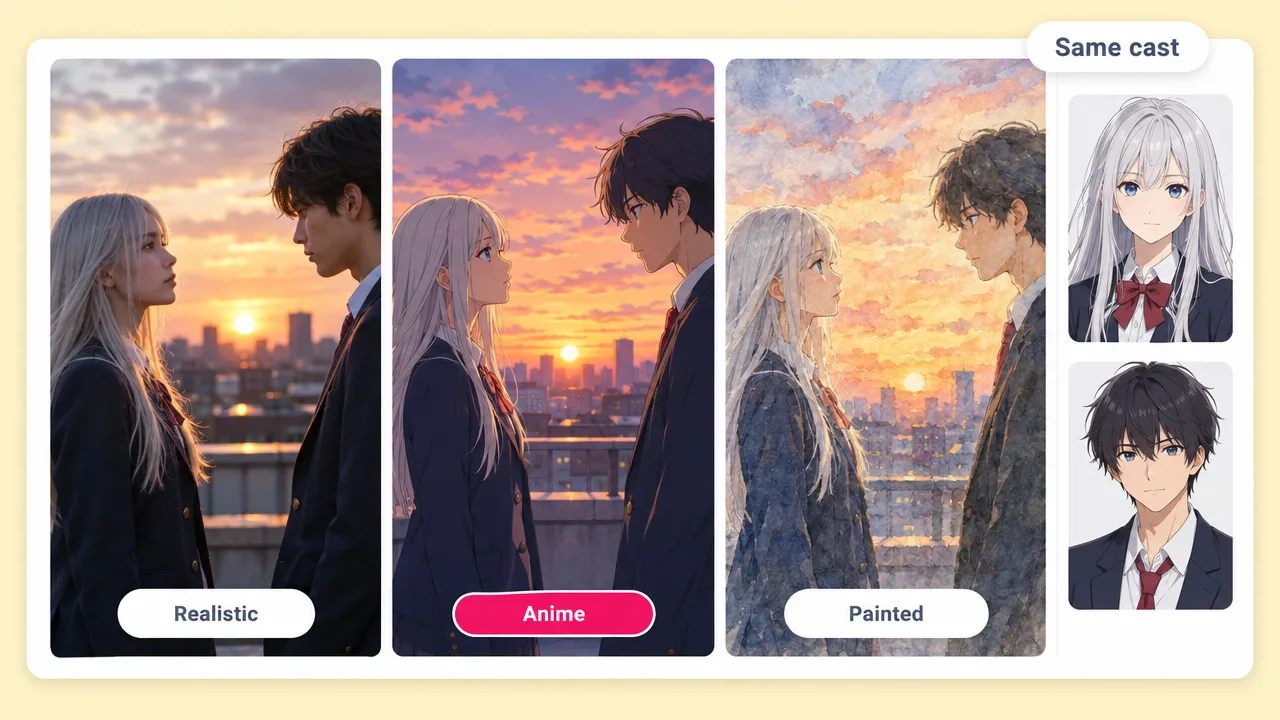
Each character is drawn once on a reference sheet, and every clip carries the sheets of the people in it. Up to 4 speaking characters keep the same face, hair and wardrobe all episode.
The episode opens mid-conflict, declares its trope in the first scene and turns exactly once past the midpoint. Every scene is cut on the line, so there is no dead air to swipe past.
Tell it where the episode should stop and the last scene is written to land there, then freezes on the final look so viewers swipe to the next part instead of away.
Flash marriage, Hidden heir, Revenge, Rejected mate, Second chance, Family feud, Forbidden love, Secret identity and Cute comedy, each with its own acting, coverage and sound. Or pick Auto.
Episodes open at 9:16 for TikTok, Reels and Shorts, framed for one face or a two-hander at a time. Switch the same project to 16:9 when you want a recap for YouTube.
Cinematic film, K-drama glow, Dark thriller, Vintage film, Soft romance, Documentary real, 3D cartoon, Anime, Comic book and Game cutscene. Every sheet and clip keeps the look you pick.
Save any character with its look and voice description and cast them again in the next episode, so the series keeps the same leads from part 1 to the finale.
Episodes render on Gen Video by default, or on MiniMax H3 Max, Wan 3.0 or Kling 4.0. Pick 30, 45, 60, 90 or 120 seconds, or leave it on Auto so the script sets the length.
How it works
From a premise to a finished vertical episode, with the cast held steady throughout.
Who the characters are, what they want, and where the episode ends. A few sentences is enough, or paste a full script.
Choose a style and a trope playbook, or leave both on Auto. Cast your saved leads, and keep the length on Auto or pick 30 seconds to 2 minutes.
Fliki breaks the story into scenes and shots and draws a reference sheet for each character. Check them before a single clip renders.
Each scene renders with the cast speaking its lines and the sheets attached, a score goes underneath, and the episode exports at 9:16 for TikTok, Reels or Shorts.
Use cases for an AI short drama generator
Romance, revenge, thriller or brand story, cut vertical and held together by one cast.
Plan a vertical series in parts, cast the same saved leads in each one, and end every episode on the hook that brings viewers back.
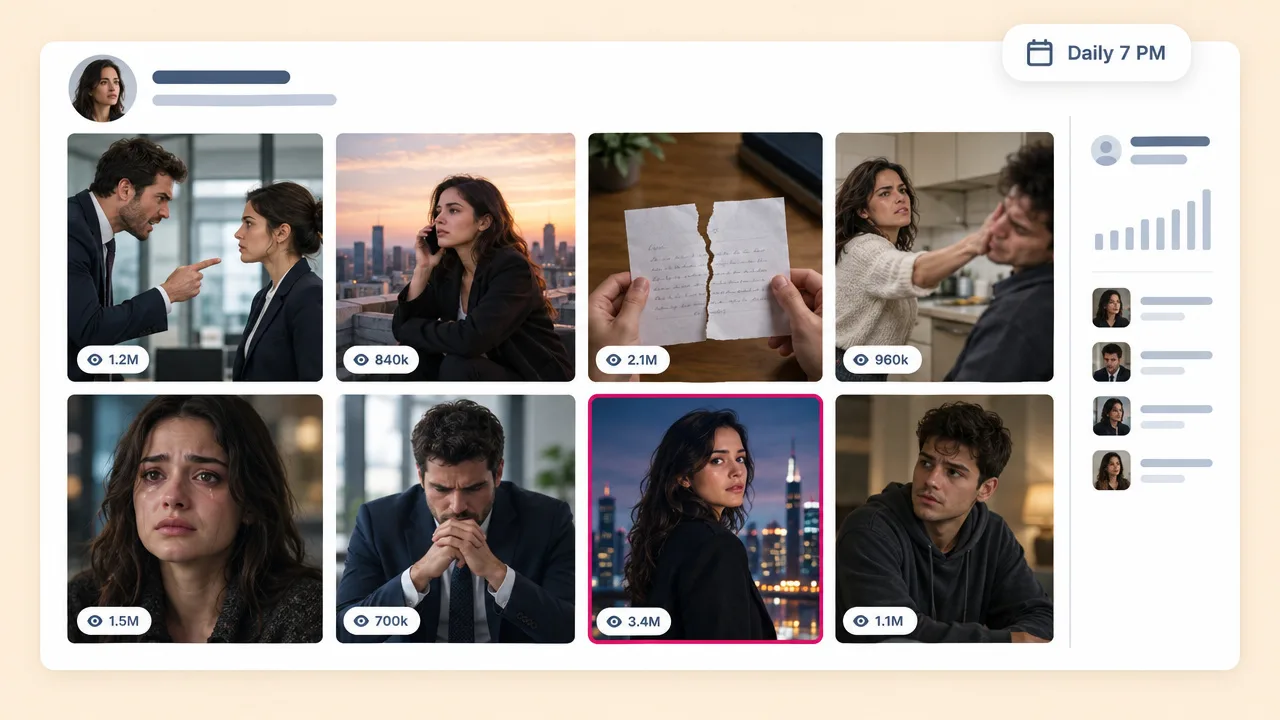
Publish 60-second episodes to YouTube Shorts on a schedule, each one planned, cast and acted out by Fliki.
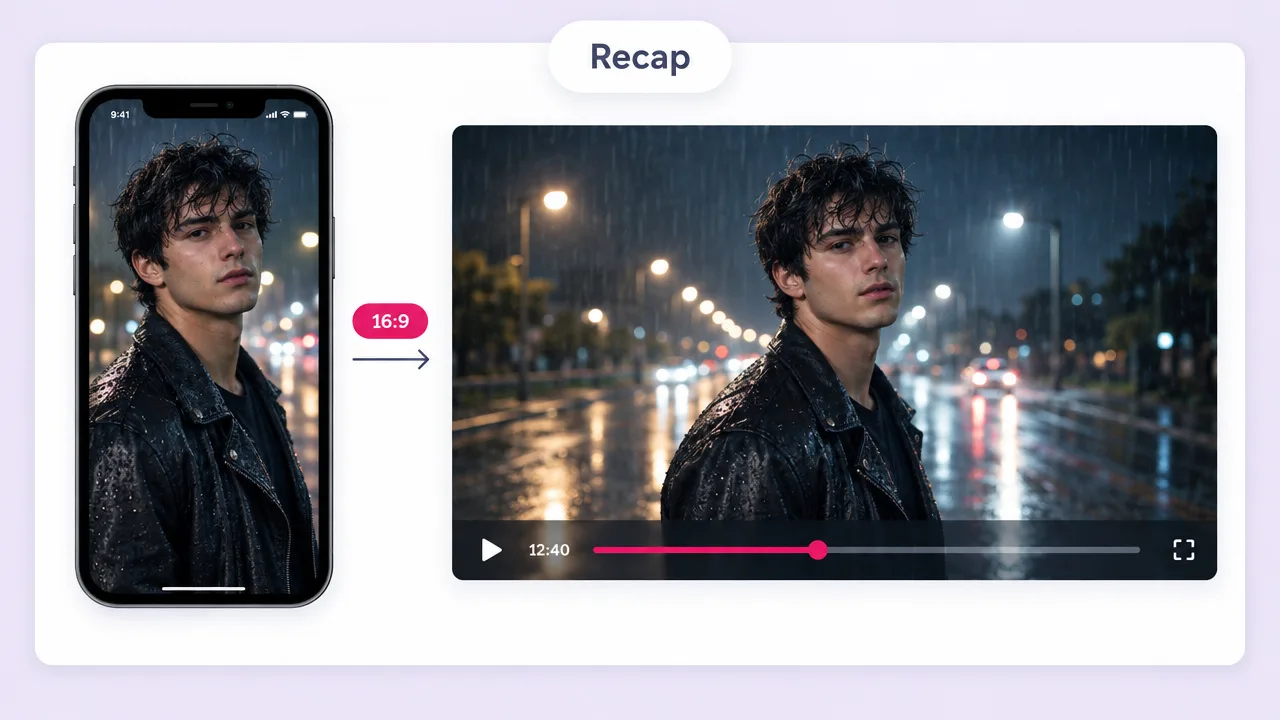
Render the same project at 16:9 for a recap or a finale. For a standalone film of up to 3 minutes, start from the AI short film generator.
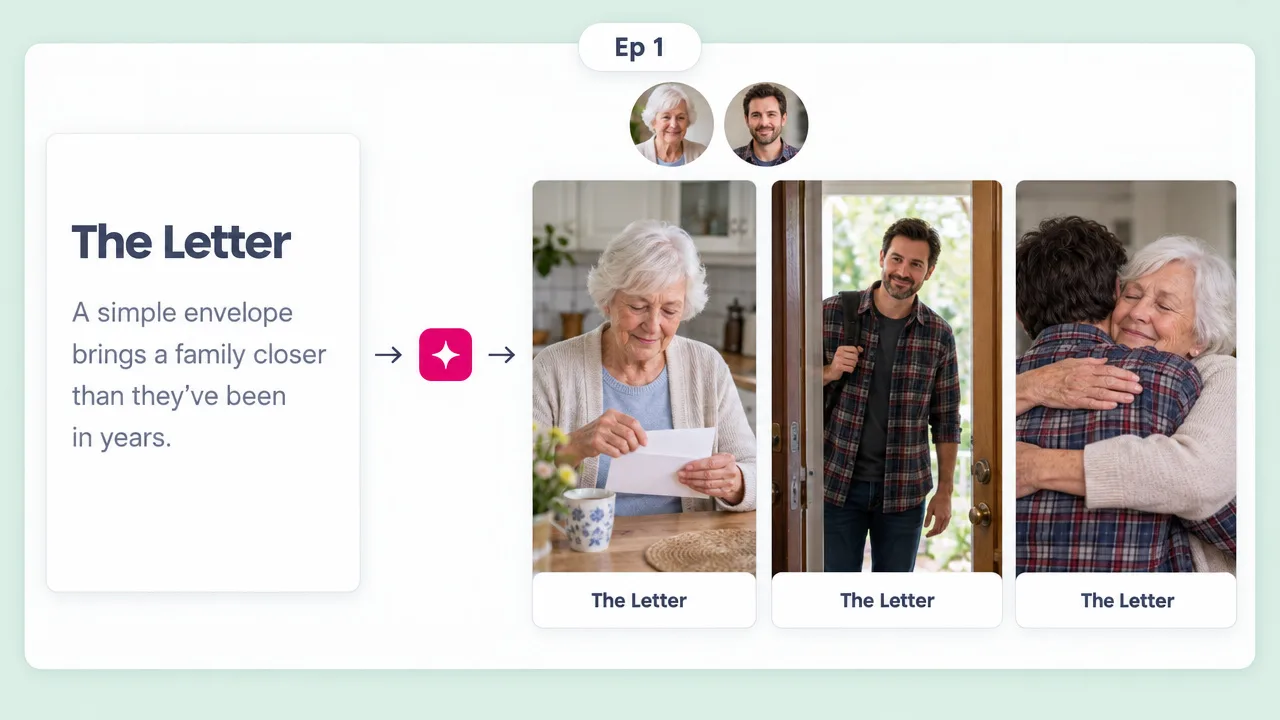
Turn a story you have already written into scenes with recurring characters instead of stock footage behind a voice.
AI short drama generator FAQ
What Fliki generates, how the cast speaks and stays consistent, how it compares to Revid, Pippit and TopView, and what it costs.
Tools
Write the premise and where it stops. Fliki casts it, shoots it and lets the characters speak.
Make a short dramaBasic plan and up · 30 seconds to 2 minutes · 9:16 or 16:9