video model · by ByteDance
Seedance 2.0 Fast AI Video Generator
Get Seedance 2.0 quality at a faster turnaround and lower cost. Seedance 2.0 Fast keeps ByteDance's multi-reference input, multi-shot cuts, and built-in audio, renders at 480p or 720p, and works across Fliki's video tools. Compare it side by side with all our AI video models before you render.
Generated with Seedance 2.0 Fast
Seedance 2.0 Fast clips generated inside Fliki. No edits, no post.
Prompt
A short promo for a neighborhood coffee shop, four quick shots from espresso to finished latte art with one line to camera, built for a vertical social ad. THE SUBJECT: Jess, a white barista in her late twenties with a copper-red pixie cut, freckles, a small silver nose ring, a black apron over a rolled-sleeve denim shirt, and a tattoo of a small fern on her left forearm. Props: a matte black espresso machine, a stainless steel milk pitcher, and a wide white ceramic cup on a white saucer. SETTING: A small corner cafe in Portland, Oregon on a gray morning. A reclaimed wood counter, hanging pothos plants, a chalkboard menu with no readable text, rain streaks on the front window, and two regulars blurred at a table in the background. LIGHTING: Soft diffuse window light from the left, warm pendant bulbs above the counter, and a crisp highlight across the steel pitcher and the crema. CAMERA: Commercial food style on a 50mm and a macro lens, slow slider moves, shallow depth of field, rich warm grade. FRAMING (9:16 vertical): Compose every shot for a phone held upright. Keep faces and the key action in the middle vertical band, roughly between one third and two thirds of frame height, so nothing important sits under the top status area or the bottom caption and button zone of Reels, TikTok, and Shorts. Favor medium close-ups and tall compositions that use depth front to back rather than width. When two people share a frame, stack them in depth or stagger them, never side by side at the far edges. Headroom stays modest; the eyes of the speaking character sit about one third down from the top. SHOTS (four shots joined by three hard cuts, 10 seconds total): 0.0s to 2.5s: Macro close-up. Dark espresso streams from the portafilter spouts into the white cup, forming thick tiger-striped crema. 2.5s to 5.0s: Close-up on the steam wand in the pitcher. Milk spins into a glossy whirlpool; Jess taps the pitcher once on the counter to settle the foam. 5.0s to 7.5s: Top-down shot. Jess tilts the cup and pours; the milk blooms into a clean rosetta with a heart at the top as she pulls the pitcher through. 7.5s to 10.0s: Medium close-up. She slides the cup across the counter toward the camera, looks up with a grin, and says, lips synced: "Rainy days taste better here." SOUND: Cafe ambience with soft chatter, the grind and hiss of the espresso machine, the high whistle of steaming milk, a ceramic clink on the saucer, and rain tapping the window. A mellow lo-fi beat sits low under everything. CONTINUITY AND PERFORMANCE: Treat the four shots as one continuous scene filmed with the same cast on the same day, so time of day, weather, wet or dry surfaces, steam, dust, and the position of every prop carry logically from one shot to the next. Screen direction stays consistent: a character who looks or moves left in one shot is still oriented the same way after the cut unless the camera deliberately moves around them. Performances are restrained and natural, never theatrical; small reactions in the eyes and breath matter more than big gestures. Each shot begins with the action already underway, with no frozen first frame and no slow fade in, and the final shot ends on a held beat rather than a sudden stop. DETAIL PRIORITIES: This clip is short and fast, so spend detail where the eye lands. Keep the main subject large in frame, sharp, and clearly lit in every shot, and let backgrounds stay simple, softly out of focus, and free of busy patterns, tiny text, or crowds of small faces. Give each shot one clear action that starts and finishes inside its time slot, so each cut lands on a new, readable beat. Materials should look tactile and real: steel reflects, ceramic is glossy, fabric creases, skin has texture, and food glistens. Faces in close-up stay stable and symmetrical with natural blinking, and teeth look natural when characters talk or smile. Color stays consistent from shot to shot, as if the whole piece was graded at once, with true whites and no color casts drifting between cuts. RULES: Photorealistic live-action footage unless the style section above says otherwise, with natural skin texture, pores, fine hair, and believable fabric weight. Every character keeps the exact same face, hairstyle, wardrobe, and accessories in every shot; props keep the same color, size, labels, and position unless an action in the shots moves them. Hands are anatomically correct with five fingers each, natural knuckles, and a firm, believable grip on anything they hold; no fingers merging into objects. Eyelines match across cuts so conversations and reactions read correctly. Motion obeys real physics: liquids pour and splash with weight, cloth swings and settles, footsteps land. Cuts are clean hard cuts exactly at the listed timecodes, with no dissolves, no morphing between shots, and no warping of faces or backgrounds during camera moves. The total running time is exactly 10 seconds. No on-screen text, no captions, no subtitles, no logos, no watermarks, no brand names, no UI overlays, no letterbox bars, no split screens. Spoken lines are delivered exactly as written in quotes, in natural American English at a relaxed conversational pace, with mouth shapes precisely lip-synced to every syllable; only the character named for a line moves their lips while speaking it. No narrator, no voiceover, and no extra words beyond the quoted dialogue.
Prompt
An action sports clip at a concrete skate park, four fast shots from setup to landing, built to show clean fast motion and a rider that stays consistent through a quick cut pattern. THE SUBJECT: Jaylen, an African American skater around seventeen with short twists, a mustard yellow beanie, an oversized white T-shirt, black cargo pants, and scuffed black and white skate shoes. His board has a plain natural maple deck, black grip tape, and red wheels. SETTING: An outdoor concrete skate park in Los Angeles at late afternoon, with a set of five stairs and a metal handrail, graffiti-free gray walls, palm trees and power lines against a hazy orange sky, and two friends sitting on a ledge in the background. LIGHTING: Low warm sun from the side, long shadows across the concrete, strong rim light on the rider, a light haze in the air. CAMERA: Classic skate video look: a fisheye follow shot, a long-lens slow push, and handheld energy. Slight grain. FRAMING (9:16 vertical): Compose every shot for a phone held upright. Keep faces and the key action in the middle vertical band, roughly between one third and two thirds of frame height, so nothing important sits under the top status area or the bottom caption and button zone of Reels, TikTok, and Shorts. Favor medium close-ups and tall compositions that use depth front to back rather than width. When two people share a frame, stack them in depth or stagger them, never side by side at the far edges. Headroom stays modest; the eyes of the speaking character sit about one third down from the top. SHOTS (four shots joined by three hard cuts, 10 seconds total): 0.0s to 2.5s: Low fisheye follow shot rolling behind Jaylen as he pushes toward the stairs, wheels humming on concrete. 2.5s to 5.0s: Side angle at the top of the stairs. He pops the board and flicks it into a kickflip; the board spins one full rotation under his feet in the air. 5.0s to 7.5s: Low angle at the bottom. He catches the board with both feet and lands clean, knees bending to absorb the impact, and rolls away. 7.5s to 10.0s: Medium shot on the ledge. His friend Carlos, a Salvadoran American teen in a black hoodie, jumps up and shouts, lips synced: "First try! No way!" SOUND: Wheels rolling on rough concrete, the sharp pop of the tail, the scrape of the flick, a hard clack on the landing, and friends cheering. Traffic and a distant siren far away. No music. CONTINUITY AND PERFORMANCE: Treat the four shots as one continuous scene filmed with the same cast on the same day, so time of day, weather, wet or dry surfaces, steam, dust, and the position of every prop carry logically from one shot to the next. Screen direction stays consistent: a character who looks or moves left in one shot is still oriented the same way after the cut unless the camera deliberately moves around them. Performances are restrained and natural, never theatrical; small reactions in the eyes and breath matter more than big gestures. Each shot begins with the action already underway, with no frozen first frame and no slow fade in, and the final shot ends on a held beat rather than a sudden stop. DETAIL PRIORITIES: This clip is short and fast, so spend detail where the eye lands. Keep the main subject large in frame, sharp, and clearly lit in every shot, and let backgrounds stay simple, softly out of focus, and free of busy patterns, tiny text, or crowds of small faces. Give each shot one clear action that starts and finishes inside its time slot, so each cut lands on a new, readable beat. Materials should look tactile and real: steel reflects, ceramic is glossy, fabric creases, skin has texture, and food glistens. Faces in close-up stay stable and symmetrical with natural blinking, and teeth look natural when characters talk or smile. Color stays consistent from shot to shot, as if the whole piece was graded at once, with true whites and no color casts drifting between cuts. RULES: Photorealistic live-action footage unless the style section above says otherwise, with natural skin texture, pores, fine hair, and believable fabric weight. Every character keeps the exact same face, hairstyle, wardrobe, and accessories in every shot; props keep the same color, size, labels, and position unless an action in the shots moves them. Hands are anatomically correct with five fingers each, natural knuckles, and a firm, believable grip on anything they hold; no fingers merging into objects. Eyelines match across cuts so conversations and reactions read correctly. Motion obeys real physics: liquids pour and splash with weight, cloth swings and settles, footsteps land. Cuts are clean hard cuts exactly at the listed timecodes, with no dissolves, no morphing between shots, and no warping of faces or backgrounds during camera moves. The total running time is exactly 10 seconds. No on-screen text, no captions, no subtitles, no logos, no watermarks, no brand names, no UI overlays, no letterbox bars, no split screens. Spoken lines are delivered exactly as written in quotes, in natural American English at a relaxed conversational pace, with mouth shapes precisely lip-synced to every syllable; only the character named for a line moves their lips while speaking it. No narrator, no voiceover, and no extra words beyond the quoted dialogue.
Prompt
A vertical real estate listing teaser, four shots of a realtor walking viewers into a home, built to show confident on-camera delivery and smooth interior camera moves. THE SUBJECT: Priya, an Indian American realtor in her late thirties with long glossy black hair worn straight, small gold studs, a camel blazer over a white silk top, slim black trousers, and a set of house keys on a leather tag in her right hand. SETTING: A renovated mid-century house in Phoenix, Arizona: a teal front door, a bright open living room with white oak floors, a long kitchen island in pale quartz, and a glass wall opening to a pool and desert landscaping. LIGHTING: Bright midday daylight pouring through the glass wall, balanced interior exposure with no blown windows, soft warm bounce off the oak floors. CAMERA: Stabilized gimbal walk-through on a wide lens, smooth and steady at chest height. FRAMING (9:16 vertical): Compose every shot for a phone held upright. Keep faces and the key action in the middle vertical band, roughly between one third and two thirds of frame height, so nothing important sits under the top status area or the bottom caption and button zone of Reels, TikTok, and Shorts. Favor medium close-ups and tall compositions that use depth front to back rather than width. When two people share a frame, stack them in depth or stagger them, never side by side at the far edges. Headroom stays modest; the eyes of the speaking character sit about one third down from the top. SHOTS (four shots joined by three hard cuts, 10 seconds total): 0.0s to 2.5s: Medium shot at the teal front door. Priya jingles the keys, smiles at the camera, and says, lips synced: "Wait until you see the backyard." 2.5s to 5.0s: Gimbal follows her through the door into the living room, sunlight flooding in from the glass wall ahead. 5.0s to 7.5s: Slow glide past the kitchen island as Priya runs her fingertips along the quartz edge, keys still in her other hand. 7.5s to 10.0s: Wide shot from outside. The glass wall slides open and Priya steps onto the patio beside the blue pool, arms open toward the view. SOUND: Keys jingling, footsteps on wood, the smooth rumble of the sliding glass door, then birdsong and a gentle breeze outside. A light, upbeat acoustic track plays underneath. CONTINUITY AND PERFORMANCE: Treat the four shots as one continuous scene filmed with the same cast on the same day, so time of day, weather, wet or dry surfaces, steam, dust, and the position of every prop carry logically from one shot to the next. Screen direction stays consistent: a character who looks or moves left in one shot is still oriented the same way after the cut unless the camera deliberately moves around them. Performances are restrained and natural, never theatrical; small reactions in the eyes and breath matter more than big gestures. Each shot begins with the action already underway, with no frozen first frame and no slow fade in, and the final shot ends on a held beat rather than a sudden stop. DETAIL PRIORITIES: This clip is short and fast, so spend detail where the eye lands. Keep the main subject large in frame, sharp, and clearly lit in every shot, and let backgrounds stay simple, softly out of focus, and free of busy patterns, tiny text, or crowds of small faces. Give each shot one clear action that starts and finishes inside its time slot, so each cut lands on a new, readable beat. Materials should look tactile and real: steel reflects, ceramic is glossy, fabric creases, skin has texture, and food glistens. Faces in close-up stay stable and symmetrical with natural blinking, and teeth look natural when characters talk or smile. Color stays consistent from shot to shot, as if the whole piece was graded at once, with true whites and no color casts drifting between cuts. RULES: Photorealistic live-action footage unless the style section above says otherwise, with natural skin texture, pores, fine hair, and believable fabric weight. Every character keeps the exact same face, hairstyle, wardrobe, and accessories in every shot; props keep the same color, size, labels, and position unless an action in the shots moves them. Hands are anatomically correct with five fingers each, natural knuckles, and a firm, believable grip on anything they hold; no fingers merging into objects. Eyelines match across cuts so conversations and reactions read correctly. Motion obeys real physics: liquids pour and splash with weight, cloth swings and settles, footsteps land. Cuts are clean hard cuts exactly at the listed timecodes, with no dissolves, no morphing between shots, and no warping of faces or backgrounds during camera moves. The total running time is exactly 10 seconds. No on-screen text, no captions, no subtitles, no logos, no watermarks, no brand names, no UI overlays, no letterbox bars, no split screens. Spoken lines are delivered exactly as written in quotes, in natural American English at a relaxed conversational pace, with mouth shapes precisely lip-synced to every syllable; only the character named for a line moves their lips while speaking it. No narrator, no voiceover, and no extra words beyond the quoted dialogue.
Prompt
A fitness tip video from a personal trainer, four shots showing a kettlebell swing done right, built to show correct body mechanics and a clear spoken coaching cue. THE SUBJECT: Marcus, a Black American strength coach in his forties with a shaved head, a salt and pepper beard, a fitted charcoal performance T-shirt, black joggers, and black training shoes. The prop is a single 24 kilogram black cast iron kettlebell with a smooth handle. SETTING: A small independent garage gym in Atlanta with rubber floor mats, a squat rack, chalk-dusted walls, a pull-up bar, and the roll-up door half open to a sunny driveway. LIGHTING: Natural daylight from the open garage door mixed with overhead LED shop lights. Clean and bright with defined muscle contours. CAMERA: Tripod-mounted side angle and a handheld close-up, crisp focus, neutral grade. FRAMING (9:16 vertical): Compose every shot for a phone held upright. Keep faces and the key action in the middle vertical band, roughly between one third and two thirds of frame height, so nothing important sits under the top status area or the bottom caption and button zone of Reels, TikTok, and Shorts. Favor medium close-ups and tall compositions that use depth front to back rather than width. When two people share a frame, stack them in depth or stagger them, never side by side at the far edges. Headroom stays modest; the eyes of the speaking character sit about one third down from the top. SHOTS (four shots joined by three hard cuts, 10 seconds total): 0.0s to 2.5s: Medium shot facing Marcus. He holds the kettlebell at his hips and says, lips synced: "Hips drive it. Not your arms." 2.5s to 5.0s: Side view, full body. He hinges back, the bell swings between his legs, then snaps his hips forward so it floats up to chest height with straight arms. 5.0s to 7.5s: Close-up on his hips and glutes at the snap, then on his relaxed grip as the bell peaks. 7.5s to 10.0s: Wide shot. He completes two more smooth swings and parks the bell on the mat with control, then nods at the camera. SOUND: The whoosh of the swinging bell, a sharp exhale at each hip snap, sneakers on rubber, a soft thud as the bell sets down, birds and a passing car outside. A driving low-volume workout beat underneath. CONTINUITY AND PERFORMANCE: Treat the four shots as one continuous scene filmed with the same cast on the same day, so time of day, weather, wet or dry surfaces, steam, dust, and the position of every prop carry logically from one shot to the next. Screen direction stays consistent: a character who looks or moves left in one shot is still oriented the same way after the cut unless the camera deliberately moves around them. Performances are restrained and natural, never theatrical; small reactions in the eyes and breath matter more than big gestures. Each shot begins with the action already underway, with no frozen first frame and no slow fade in, and the final shot ends on a held beat rather than a sudden stop. DETAIL PRIORITIES: This clip is short and fast, so spend detail where the eye lands. Keep the main subject large in frame, sharp, and clearly lit in every shot, and let backgrounds stay simple, softly out of focus, and free of busy patterns, tiny text, or crowds of small faces. Give each shot one clear action that starts and finishes inside its time slot, so each cut lands on a new, readable beat. Materials should look tactile and real: steel reflects, ceramic is glossy, fabric creases, skin has texture, and food glistens. Faces in close-up stay stable and symmetrical with natural blinking, and teeth look natural when characters talk or smile. Color stays consistent from shot to shot, as if the whole piece was graded at once, with true whites and no color casts drifting between cuts. RULES: Photorealistic live-action footage unless the style section above says otherwise, with natural skin texture, pores, fine hair, and believable fabric weight. Every character keeps the exact same face, hairstyle, wardrobe, and accessories in every shot; props keep the same color, size, labels, and position unless an action in the shots moves them. Hands are anatomically correct with five fingers each, natural knuckles, and a firm, believable grip on anything they hold; no fingers merging into objects. Eyelines match across cuts so conversations and reactions read correctly. Motion obeys real physics: liquids pour and splash with weight, cloth swings and settles, footsteps land. Cuts are clean hard cuts exactly at the listed timecodes, with no dissolves, no morphing between shots, and no warping of faces or backgrounds during camera moves. The total running time is exactly 10 seconds. No on-screen text, no captions, no subtitles, no logos, no watermarks, no brand names, no UI overlays, no letterbox bars, no split screens. Spoken lines are delivered exactly as written in quotes, in natural American English at a relaxed conversational pace, with mouth shapes precisely lip-synced to every syllable; only the character named for a line moves their lips while speaking it. No narrator, no voiceover, and no extra words beyond the quoted dialogue.
Prompt
A lively vertical clip for a taco food truck, four shots from grill to handoff, built to show sizzling food detail and a friendly exchange at the window. THE SUBJECT: Luis, a Mexican American cook in his fifties with a gray mustache, a black bandana over his hair, a white T-shirt under a red apron, and a silver chain. The customer is Hannah, a white office worker in her twenties with a blond bob, a green sweater, and a lanyard with a blank badge. SETTING: A bright red taco truck parked on a busy downtown street in Austin at noon, with a service window, a steel flat-top grill inside, a line of three customers on the sidewalk, and glass office towers behind. LIGHTING: Hard midday sun outside, warm fluorescent light inside the truck, smoke from the grill catching the light. CAMERA: Handheld street documentary style, 35mm lens, energetic but steady. FRAMING (9:16 vertical): Compose every shot for a phone held upright. Keep faces and the key action in the middle vertical band, roughly between one third and two thirds of frame height, so nothing important sits under the top status area or the bottom caption and button zone of Reels, TikTok, and Shorts. Favor medium close-ups and tall compositions that use depth front to back rather than width. When two people share a frame, stack them in depth or stagger them, never side by side at the far edges. Headroom stays modest; the eyes of the speaking character sit about one third down from the top. SHOTS (four shots joined by three hard cuts, 10 seconds total): 0.0s to 2.5s: Close-up on the flat-top. Chopped al pastor sizzles and spits; Luis flips it with a metal spatula and pineapple chunks caramelize. 2.5s to 5.0s: Close-up of his hands laying three corn tortillas in a paper boat, spooning meat, then onion, cilantro, and a squeeze of lime. 5.0s to 7.5s: Medium shot through the window. Luis hands the tray down to Hannah and says, lips synced: "Three pastor. Salsa is hot." 7.5s to 10.0s: Medium shot on the sidewalk. Hannah takes a big bite, eyes widen, and she gives a thumbs up with her free hand while the line moves behind her. SOUND: Loud sizzle and spatula scrapes, a radio playing cumbia inside the truck, street traffic, horns, the chatter of the line, and a crisp crunch on the bite. CONTINUITY AND PERFORMANCE: Treat the four shots as one continuous scene filmed with the same cast on the same day, so time of day, weather, wet or dry surfaces, steam, dust, and the position of every prop carry logically from one shot to the next. Screen direction stays consistent: a character who looks or moves left in one shot is still oriented the same way after the cut unless the camera deliberately moves around them. Performances are restrained and natural, never theatrical; small reactions in the eyes and breath matter more than big gestures. Each shot begins with the action already underway, with no frozen first frame and no slow fade in, and the final shot ends on a held beat rather than a sudden stop. DETAIL PRIORITIES: This clip is short and fast, so spend detail where the eye lands. Keep the main subject large in frame, sharp, and clearly lit in every shot, and let backgrounds stay simple, softly out of focus, and free of busy patterns, tiny text, or crowds of small faces. Give each shot one clear action that starts and finishes inside its time slot, so each cut lands on a new, readable beat. Materials should look tactile and real: steel reflects, ceramic is glossy, fabric creases, skin has texture, and food glistens. Faces in close-up stay stable and symmetrical with natural blinking, and teeth look natural when characters talk or smile. Color stays consistent from shot to shot, as if the whole piece was graded at once, with true whites and no color casts drifting between cuts. RULES: Photorealistic live-action footage unless the style section above says otherwise, with natural skin texture, pores, fine hair, and believable fabric weight. Every character keeps the exact same face, hairstyle, wardrobe, and accessories in every shot; props keep the same color, size, labels, and position unless an action in the shots moves them. Hands are anatomically correct with five fingers each, natural knuckles, and a firm, believable grip on anything they hold; no fingers merging into objects. Eyelines match across cuts so conversations and reactions read correctly. Motion obeys real physics: liquids pour and splash with weight, cloth swings and settles, footsteps land. Cuts are clean hard cuts exactly at the listed timecodes, with no dissolves, no morphing between shots, and no warping of faces or backgrounds during camera moves. The total running time is exactly 10 seconds. No on-screen text, no captions, no subtitles, no logos, no watermarks, no brand names, no UI overlays, no letterbox bars, no split screens. Spoken lines are delivered exactly as written in quotes, in natural American English at a relaxed conversational pace, with mouth shapes precisely lip-synced to every syllable; only the character named for a line moves their lips while speaking it. No narrator, no voiceover, and no extra words beyond the quoted dialogue.
Prompt
A widescreen sports moment at a youth baseball game, four shots that capture a walk-off hit and the celebration, built to show a young athlete and a parent kept consistent across fast cuts. THE SUBJECT: Sofia, a Cuban American girl around eleven with a dark ponytail through the back of a navy batting helmet, a white jersey with navy trim and no readable text, gray baseball pants, and a black bat. Her dad, Ernesto, in his forties with a short beard, a navy cap, and a gray hoodie, watches from behind the backstop fence. SETTING: A small-town little league field in Ohio on a summer evening, with a red clay infield, bright green grass, a chain-link backstop, wooden bleachers with families, and tall stadium lights just turning on against a pink sky. LIGHTING: Warm sunset light mixed with the cool white stadium lights coming up, long shadows across the infield, dust glowing in the air. CAMERA: Broadcast style long lens from behind home plate and a sideline handheld camera. Crisp and clean. FRAMING (16:9 landscape): Compose for a wide screen. Use the full width: place the main subject on a rule-of-thirds vertical and let the setting breathe on the opposite side so the environment tells part of the story. Wide shots should read as true establishing shots with clear foreground, midground, and background layers. Close-ups can sit off center with negative space in the direction the character is looking. Keep the horizon level unless a shot below says otherwise. SHOTS (four shots joined by three hard cuts, 10 seconds total): 0.0s to 2.5s: Long lens from behind the backstop. Sofia digs her cleats into the box and swings at a pitch; the bat connects with a solid crack. 2.5s to 5.0s: Wide sideline shot. The ball skips through the gap into the outfield as Sofia drops the bat and sprints toward first base. 5.0s to 7.5s: Medium shot at home plate. A teammate slides in safe, dust billows, and the umpire swings his arms wide. 7.5s to 10.0s: Medium shot behind the fence. Ernesto grips the chain link and yells, lips synced: "That's my girl!" The bleachers erupt behind him. SOUND: The crack of the bat, cleats crunching clay, a whooshing slide into home, the umpire's shout, the chain-link rattling, and a crowd of families cheering. Cicadas at the edge of the field. CONTINUITY AND PERFORMANCE: Treat the four shots as one continuous scene filmed with the same cast on the same day, so time of day, weather, wet or dry surfaces, steam, dust, and the position of every prop carry logically from one shot to the next. Screen direction stays consistent: a character who looks or moves left in one shot is still oriented the same way after the cut unless the camera deliberately moves around them. Performances are restrained and natural, never theatrical; small reactions in the eyes and breath matter more than big gestures. Each shot begins with the action already underway, with no frozen first frame and no slow fade in, and the final shot ends on a held beat rather than a sudden stop. DETAIL PRIORITIES: This clip is short and fast, so spend detail where the eye lands. Keep the main subject large in frame, sharp, and clearly lit in every shot, and let backgrounds stay simple, softly out of focus, and free of busy patterns, tiny text, or crowds of small faces. Give each shot one clear action that starts and finishes inside its time slot, so each cut lands on a new, readable beat. Materials should look tactile and real: steel reflects, ceramic is glossy, fabric creases, skin has texture, and food glistens. Faces in close-up stay stable and symmetrical with natural blinking, and teeth look natural when characters talk or smile. Color stays consistent from shot to shot, as if the whole piece was graded at once, with true whites and no color casts drifting between cuts. RULES: Photorealistic live-action footage unless the style section above says otherwise, with natural skin texture, pores, fine hair, and believable fabric weight. Every character keeps the exact same face, hairstyle, wardrobe, and accessories in every shot; props keep the same color, size, labels, and position unless an action in the shots moves them. Hands are anatomically correct with five fingers each, natural knuckles, and a firm, believable grip on anything they hold; no fingers merging into objects. Eyelines match across cuts so conversations and reactions read correctly. Motion obeys real physics: liquids pour and splash with weight, cloth swings and settles, footsteps land. Cuts are clean hard cuts exactly at the listed timecodes, with no dissolves, no morphing between shots, and no warping of faces or backgrounds during camera moves. The total running time is exactly 10 seconds. No on-screen text, no captions, no subtitles, no logos, no watermarks, no brand names, no UI overlays, no letterbox bars, no split screens. Spoken lines are delivered exactly as written in quotes, in natural American English at a relaxed conversational pace, with mouth shapes precisely lip-synced to every syllable; only the character named for a line moves their lips while speaking it. No narrator, no voiceover, and no extra words beyond the quoted dialogue.
Prompt
A square unboxing clip for a feed post, four shots from closed box to the sneaker on foot, built to show accurate hands, tissue paper physics, and a consistent product. THE SUBJECT: The product is a white leather low-top sneaker with a gum rubber sole, off-white laces, and a small forest green heel tab, with no visible logo. The unboxer is Aiden, a Vietnamese American man in his twenties with a clean fade, a gray crewneck sweatshirt, and light wash jeans. SETTING: A clean wooden desk in a bright apartment in Chicago, a plain kraft shoebox with a lid, white tissue paper, a potted snake plant, and a window with soft winter light. LIGHTING: Soft window light from the front left, a white bounce card filling shadows, crisp detail on leather grain. CAMERA: Overhead and eye-level shots on a 35mm lens, steady tripod, slight push-ins. FRAMING (1:1 square): Compose for a square feed post. Center the subject with even margins on all sides, and build each frame around one clear shape or gesture that reads at thumbnail size. Avoid important detail near the corners, since feeds and grids often round or crop them. Keep the background simple enough that the subject separates cleanly from it, using depth of field, a contrasting color, or a clean edge of light. Movement inside the frame should travel toward or away from the camera, or across the center, rather than off the sides. Medium shots and close-ups work best; wide shots should keep the subject large enough to recognize on a small screen. SHOTS (four shots joined by three hard cuts, 10 seconds total): 0.0s to 2.5s: Overhead shot. Aiden lifts the lid off the kraft box and sets it aside. 2.5s to 5.0s: Overhead close-up. His fingers fold back crinkling white tissue paper to reveal the pair of sneakers nested heel to toe. 5.0s to 7.5s: Eye-level close-up. He lifts one sneaker, turns it to show the gum sole and the green heel tab, and presses a thumb into the soft leather. 7.5s to 10.0s: Medium shot. He slips it on, stands, looks down at his foot, and says, lips synced: "Okay. These are perfect." SOUND: Cardboard lid sliding off, crisp tissue paper crinkle, the squeak of new leather, laces tapping, and a quiet room tone. A soft chill beat underneath. CONTINUITY AND PERFORMANCE: Treat the four shots as one continuous scene filmed with the same cast on the same day, so time of day, weather, wet or dry surfaces, steam, dust, and the position of every prop carry logically from one shot to the next. Screen direction stays consistent: a character who looks or moves left in one shot is still oriented the same way after the cut unless the camera deliberately moves around them. Performances are restrained and natural, never theatrical; small reactions in the eyes and breath matter more than big gestures. Each shot begins with the action already underway, with no frozen first frame and no slow fade in, and the final shot ends on a held beat rather than a sudden stop. DETAIL PRIORITIES: This clip is short and fast, so spend detail where the eye lands. Keep the main subject large in frame, sharp, and clearly lit in every shot, and let backgrounds stay simple, softly out of focus, and free of busy patterns, tiny text, or crowds of small faces. Give each shot one clear action that starts and finishes inside its time slot, so each cut lands on a new, readable beat. Materials should look tactile and real: steel reflects, ceramic is glossy, fabric creases, skin has texture, and food glistens. Faces in close-up stay stable and symmetrical with natural blinking, and teeth look natural when characters talk or smile. Color stays consistent from shot to shot, as if the whole piece was graded at once, with true whites and no color casts drifting between cuts. RULES: Photorealistic live-action footage unless the style section above says otherwise, with natural skin texture, pores, fine hair, and believable fabric weight. Every character keeps the exact same face, hairstyle, wardrobe, and accessories in every shot; props keep the same color, size, labels, and position unless an action in the shots moves them. Hands are anatomically correct with five fingers each, natural knuckles, and a firm, believable grip on anything they hold; no fingers merging into objects. Eyelines match across cuts so conversations and reactions read correctly. Motion obeys real physics: liquids pour and splash with weight, cloth swings and settles, footsteps land. Cuts are clean hard cuts exactly at the listed timecodes, with no dissolves, no morphing between shots, and no warping of faces or backgrounds during camera moves. The total running time is exactly 10 seconds. No on-screen text, no captions, no subtitles, no logos, no watermarks, no brand names, no UI overlays, no letterbox bars, no split screens. Spoken lines are delivered exactly as written in quotes, in natural American English at a relaxed conversational pace, with mouth shapes precisely lip-synced to every syllable; only the character named for a line moves their lips while speaking it. No narrator, no voiceover, and no extra words beyond the quoted dialogue.
Prompt
A short promo for a neighborhood coffee shop, four quick shots from espresso to finished latte art with one line to camera, built for a vertical social ad. THE SUBJECT: Jess, a white barista in her late twenties with a copper-red pixie cut, freckles, a small silver nose ring, a black apron over a rolled-sleeve denim shirt, and a tattoo of a small fern on her left forearm. Props: a matte black espresso machine, a stainless steel milk pitcher, and a wide white ceramic cup on a white saucer. SETTING: A small corner cafe in Portland, Oregon on a gray morning. A reclaimed wood counter, hanging pothos plants, a chalkboard menu with no readable text, rain streaks on the front window, and two regulars blurred at a table in the background. LIGHTING: Soft diffuse window light from the left, warm pendant bulbs above the counter, and a crisp highlight across the steel pitcher and the crema. CAMERA: Commercial food style on a 50mm and a macro lens, slow slider moves, shallow depth of field, rich warm grade. FRAMING (9:16 vertical): Compose every shot for a phone held upright. Keep faces and the key action in the middle vertical band, roughly between one third and two thirds of frame height, so nothing important sits under the top status area or the bottom caption and button zone of Reels, TikTok, and Shorts. Favor medium close-ups and tall compositions that use depth front to back rather than width. When two people share a frame, stack them in depth or stagger them, never side by side at the far edges. Headroom stays modest; the eyes of the speaking character sit about one third down from the top. SHOTS (four shots joined by three hard cuts, 10 seconds total): 0.0s to 2.5s: Macro close-up. Dark espresso streams from the portafilter spouts into the white cup, forming thick tiger-striped crema. 2.5s to 5.0s: Close-up on the steam wand in the pitcher. Milk spins into a glossy whirlpool; Jess taps the pitcher once on the counter to settle the foam. 5.0s to 7.5s: Top-down shot. Jess tilts the cup and pours; the milk blooms into a clean rosetta with a heart at the top as she pulls the pitcher through. 7.5s to 10.0s: Medium close-up. She slides the cup across the counter toward the camera, looks up with a grin, and says, lips synced: "Rainy days taste better here." SOUND: Cafe ambience with soft chatter, the grind and hiss of the espresso machine, the high whistle of steaming milk, a ceramic clink on the saucer, and rain tapping the window. A mellow lo-fi beat sits low under everything. CONTINUITY AND PERFORMANCE: Treat the four shots as one continuous scene filmed with the same cast on the same day, so time of day, weather, wet or dry surfaces, steam, dust, and the position of every prop carry logically from one shot to the next. Screen direction stays consistent: a character who looks or moves left in one shot is still oriented the same way after the cut unless the camera deliberately moves around them. Performances are restrained and natural, never theatrical; small reactions in the eyes and breath matter more than big gestures. Each shot begins with the action already underway, with no frozen first frame and no slow fade in, and the final shot ends on a held beat rather than a sudden stop. DETAIL PRIORITIES: This clip is short and fast, so spend detail where the eye lands. Keep the main subject large in frame, sharp, and clearly lit in every shot, and let backgrounds stay simple, softly out of focus, and free of busy patterns, tiny text, or crowds of small faces. Give each shot one clear action that starts and finishes inside its time slot, so each cut lands on a new, readable beat. Materials should look tactile and real: steel reflects, ceramic is glossy, fabric creases, skin has texture, and food glistens. Faces in close-up stay stable and symmetrical with natural blinking, and teeth look natural when characters talk or smile. Color stays consistent from shot to shot, as if the whole piece was graded at once, with true whites and no color casts drifting between cuts. RULES: Photorealistic live-action footage unless the style section above says otherwise, with natural skin texture, pores, fine hair, and believable fabric weight. Every character keeps the exact same face, hairstyle, wardrobe, and accessories in every shot; props keep the same color, size, labels, and position unless an action in the shots moves them. Hands are anatomically correct with five fingers each, natural knuckles, and a firm, believable grip on anything they hold; no fingers merging into objects. Eyelines match across cuts so conversations and reactions read correctly. Motion obeys real physics: liquids pour and splash with weight, cloth swings and settles, footsteps land. Cuts are clean hard cuts exactly at the listed timecodes, with no dissolves, no morphing between shots, and no warping of faces or backgrounds during camera moves. The total running time is exactly 10 seconds. No on-screen text, no captions, no subtitles, no logos, no watermarks, no brand names, no UI overlays, no letterbox bars, no split screens. Spoken lines are delivered exactly as written in quotes, in natural American English at a relaxed conversational pace, with mouth shapes precisely lip-synced to every syllable; only the character named for a line moves their lips while speaking it. No narrator, no voiceover, and no extra words beyond the quoted dialogue.
Prompt
An action sports clip at a concrete skate park, four fast shots from setup to landing, built to show clean fast motion and a rider that stays consistent through a quick cut pattern. THE SUBJECT: Jaylen, an African American skater around seventeen with short twists, a mustard yellow beanie, an oversized white T-shirt, black cargo pants, and scuffed black and white skate shoes. His board has a plain natural maple deck, black grip tape, and red wheels. SETTING: An outdoor concrete skate park in Los Angeles at late afternoon, with a set of five stairs and a metal handrail, graffiti-free gray walls, palm trees and power lines against a hazy orange sky, and two friends sitting on a ledge in the background. LIGHTING: Low warm sun from the side, long shadows across the concrete, strong rim light on the rider, a light haze in the air. CAMERA: Classic skate video look: a fisheye follow shot, a long-lens slow push, and handheld energy. Slight grain. FRAMING (9:16 vertical): Compose every shot for a phone held upright. Keep faces and the key action in the middle vertical band, roughly between one third and two thirds of frame height, so nothing important sits under the top status area or the bottom caption and button zone of Reels, TikTok, and Shorts. Favor medium close-ups and tall compositions that use depth front to back rather than width. When two people share a frame, stack them in depth or stagger them, never side by side at the far edges. Headroom stays modest; the eyes of the speaking character sit about one third down from the top. SHOTS (four shots joined by three hard cuts, 10 seconds total): 0.0s to 2.5s: Low fisheye follow shot rolling behind Jaylen as he pushes toward the stairs, wheels humming on concrete. 2.5s to 5.0s: Side angle at the top of the stairs. He pops the board and flicks it into a kickflip; the board spins one full rotation under his feet in the air. 5.0s to 7.5s: Low angle at the bottom. He catches the board with both feet and lands clean, knees bending to absorb the impact, and rolls away. 7.5s to 10.0s: Medium shot on the ledge. His friend Carlos, a Salvadoran American teen in a black hoodie, jumps up and shouts, lips synced: "First try! No way!" SOUND: Wheels rolling on rough concrete, the sharp pop of the tail, the scrape of the flick, a hard clack on the landing, and friends cheering. Traffic and a distant siren far away. No music. CONTINUITY AND PERFORMANCE: Treat the four shots as one continuous scene filmed with the same cast on the same day, so time of day, weather, wet or dry surfaces, steam, dust, and the position of every prop carry logically from one shot to the next. Screen direction stays consistent: a character who looks or moves left in one shot is still oriented the same way after the cut unless the camera deliberately moves around them. Performances are restrained and natural, never theatrical; small reactions in the eyes and breath matter more than big gestures. Each shot begins with the action already underway, with no frozen first frame and no slow fade in, and the final shot ends on a held beat rather than a sudden stop. DETAIL PRIORITIES: This clip is short and fast, so spend detail where the eye lands. Keep the main subject large in frame, sharp, and clearly lit in every shot, and let backgrounds stay simple, softly out of focus, and free of busy patterns, tiny text, or crowds of small faces. Give each shot one clear action that starts and finishes inside its time slot, so each cut lands on a new, readable beat. Materials should look tactile and real: steel reflects, ceramic is glossy, fabric creases, skin has texture, and food glistens. Faces in close-up stay stable and symmetrical with natural blinking, and teeth look natural when characters talk or smile. Color stays consistent from shot to shot, as if the whole piece was graded at once, with true whites and no color casts drifting between cuts. RULES: Photorealistic live-action footage unless the style section above says otherwise, with natural skin texture, pores, fine hair, and believable fabric weight. Every character keeps the exact same face, hairstyle, wardrobe, and accessories in every shot; props keep the same color, size, labels, and position unless an action in the shots moves them. Hands are anatomically correct with five fingers each, natural knuckles, and a firm, believable grip on anything they hold; no fingers merging into objects. Eyelines match across cuts so conversations and reactions read correctly. Motion obeys real physics: liquids pour and splash with weight, cloth swings and settles, footsteps land. Cuts are clean hard cuts exactly at the listed timecodes, with no dissolves, no morphing between shots, and no warping of faces or backgrounds during camera moves. The total running time is exactly 10 seconds. No on-screen text, no captions, no subtitles, no logos, no watermarks, no brand names, no UI overlays, no letterbox bars, no split screens. Spoken lines are delivered exactly as written in quotes, in natural American English at a relaxed conversational pace, with mouth shapes precisely lip-synced to every syllable; only the character named for a line moves their lips while speaking it. No narrator, no voiceover, and no extra words beyond the quoted dialogue.
Prompt
A widescreen sports moment at a youth baseball game, four shots that capture a walk-off hit and the celebration, built to show a young athlete and a parent kept consistent across fast cuts. THE SUBJECT: Sofia, a Cuban American girl around eleven with a dark ponytail through the back of a navy batting helmet, a white jersey with navy trim and no readable text, gray baseball pants, and a black bat. Her dad, Ernesto, in his forties with a short beard, a navy cap, and a gray hoodie, watches from behind the backstop fence. SETTING: A small-town little league field in Ohio on a summer evening, with a red clay infield, bright green grass, a chain-link backstop, wooden bleachers with families, and tall stadium lights just turning on against a pink sky. LIGHTING: Warm sunset light mixed with the cool white stadium lights coming up, long shadows across the infield, dust glowing in the air. CAMERA: Broadcast style long lens from behind home plate and a sideline handheld camera. Crisp and clean. FRAMING (16:9 landscape): Compose for a wide screen. Use the full width: place the main subject on a rule-of-thirds vertical and let the setting breathe on the opposite side so the environment tells part of the story. Wide shots should read as true establishing shots with clear foreground, midground, and background layers. Close-ups can sit off center with negative space in the direction the character is looking. Keep the horizon level unless a shot below says otherwise. SHOTS (four shots joined by three hard cuts, 10 seconds total): 0.0s to 2.5s: Long lens from behind the backstop. Sofia digs her cleats into the box and swings at a pitch; the bat connects with a solid crack. 2.5s to 5.0s: Wide sideline shot. The ball skips through the gap into the outfield as Sofia drops the bat and sprints toward first base. 5.0s to 7.5s: Medium shot at home plate. A teammate slides in safe, dust billows, and the umpire swings his arms wide. 7.5s to 10.0s: Medium shot behind the fence. Ernesto grips the chain link and yells, lips synced: "That's my girl!" The bleachers erupt behind him. SOUND: The crack of the bat, cleats crunching clay, a whooshing slide into home, the umpire's shout, the chain-link rattling, and a crowd of families cheering. Cicadas at the edge of the field. CONTINUITY AND PERFORMANCE: Treat the four shots as one continuous scene filmed with the same cast on the same day, so time of day, weather, wet or dry surfaces, steam, dust, and the position of every prop carry logically from one shot to the next. Screen direction stays consistent: a character who looks or moves left in one shot is still oriented the same way after the cut unless the camera deliberately moves around them. Performances are restrained and natural, never theatrical; small reactions in the eyes and breath matter more than big gestures. Each shot begins with the action already underway, with no frozen first frame and no slow fade in, and the final shot ends on a held beat rather than a sudden stop. DETAIL PRIORITIES: This clip is short and fast, so spend detail where the eye lands. Keep the main subject large in frame, sharp, and clearly lit in every shot, and let backgrounds stay simple, softly out of focus, and free of busy patterns, tiny text, or crowds of small faces. Give each shot one clear action that starts and finishes inside its time slot, so each cut lands on a new, readable beat. Materials should look tactile and real: steel reflects, ceramic is glossy, fabric creases, skin has texture, and food glistens. Faces in close-up stay stable and symmetrical with natural blinking, and teeth look natural when characters talk or smile. Color stays consistent from shot to shot, as if the whole piece was graded at once, with true whites and no color casts drifting between cuts. RULES: Photorealistic live-action footage unless the style section above says otherwise, with natural skin texture, pores, fine hair, and believable fabric weight. Every character keeps the exact same face, hairstyle, wardrobe, and accessories in every shot; props keep the same color, size, labels, and position unless an action in the shots moves them. Hands are anatomically correct with five fingers each, natural knuckles, and a firm, believable grip on anything they hold; no fingers merging into objects. Eyelines match across cuts so conversations and reactions read correctly. Motion obeys real physics: liquids pour and splash with weight, cloth swings and settles, footsteps land. Cuts are clean hard cuts exactly at the listed timecodes, with no dissolves, no morphing between shots, and no warping of faces or backgrounds during camera moves. The total running time is exactly 10 seconds. No on-screen text, no captions, no subtitles, no logos, no watermarks, no brand names, no UI overlays, no letterbox bars, no split screens. Spoken lines are delivered exactly as written in quotes, in natural American English at a relaxed conversational pace, with mouth shapes precisely lip-synced to every syllable; only the character named for a line moves their lips while speaking it. No narrator, no voiceover, and no extra words beyond the quoted dialogue.
Prompt
A vertical real estate listing teaser, four shots of a realtor walking viewers into a home, built to show confident on-camera delivery and smooth interior camera moves. THE SUBJECT: Priya, an Indian American realtor in her late thirties with long glossy black hair worn straight, small gold studs, a camel blazer over a white silk top, slim black trousers, and a set of house keys on a leather tag in her right hand. SETTING: A renovated mid-century house in Phoenix, Arizona: a teal front door, a bright open living room with white oak floors, a long kitchen island in pale quartz, and a glass wall opening to a pool and desert landscaping. LIGHTING: Bright midday daylight pouring through the glass wall, balanced interior exposure with no blown windows, soft warm bounce off the oak floors. CAMERA: Stabilized gimbal walk-through on a wide lens, smooth and steady at chest height. FRAMING (9:16 vertical): Compose every shot for a phone held upright. Keep faces and the key action in the middle vertical band, roughly between one third and two thirds of frame height, so nothing important sits under the top status area or the bottom caption and button zone of Reels, TikTok, and Shorts. Favor medium close-ups and tall compositions that use depth front to back rather than width. When two people share a frame, stack them in depth or stagger them, never side by side at the far edges. Headroom stays modest; the eyes of the speaking character sit about one third down from the top. SHOTS (four shots joined by three hard cuts, 10 seconds total): 0.0s to 2.5s: Medium shot at the teal front door. Priya jingles the keys, smiles at the camera, and says, lips synced: "Wait until you see the backyard." 2.5s to 5.0s: Gimbal follows her through the door into the living room, sunlight flooding in from the glass wall ahead. 5.0s to 7.5s: Slow glide past the kitchen island as Priya runs her fingertips along the quartz edge, keys still in her other hand. 7.5s to 10.0s: Wide shot from outside. The glass wall slides open and Priya steps onto the patio beside the blue pool, arms open toward the view. SOUND: Keys jingling, footsteps on wood, the smooth rumble of the sliding glass door, then birdsong and a gentle breeze outside. A light, upbeat acoustic track plays underneath. CONTINUITY AND PERFORMANCE: Treat the four shots as one continuous scene filmed with the same cast on the same day, so time of day, weather, wet or dry surfaces, steam, dust, and the position of every prop carry logically from one shot to the next. Screen direction stays consistent: a character who looks or moves left in one shot is still oriented the same way after the cut unless the camera deliberately moves around them. Performances are restrained and natural, never theatrical; small reactions in the eyes and breath matter more than big gestures. Each shot begins with the action already underway, with no frozen first frame and no slow fade in, and the final shot ends on a held beat rather than a sudden stop. DETAIL PRIORITIES: This clip is short and fast, so spend detail where the eye lands. Keep the main subject large in frame, sharp, and clearly lit in every shot, and let backgrounds stay simple, softly out of focus, and free of busy patterns, tiny text, or crowds of small faces. Give each shot one clear action that starts and finishes inside its time slot, so each cut lands on a new, readable beat. Materials should look tactile and real: steel reflects, ceramic is glossy, fabric creases, skin has texture, and food glistens. Faces in close-up stay stable and symmetrical with natural blinking, and teeth look natural when characters talk or smile. Color stays consistent from shot to shot, as if the whole piece was graded at once, with true whites and no color casts drifting between cuts. RULES: Photorealistic live-action footage unless the style section above says otherwise, with natural skin texture, pores, fine hair, and believable fabric weight. Every character keeps the exact same face, hairstyle, wardrobe, and accessories in every shot; props keep the same color, size, labels, and position unless an action in the shots moves them. Hands are anatomically correct with five fingers each, natural knuckles, and a firm, believable grip on anything they hold; no fingers merging into objects. Eyelines match across cuts so conversations and reactions read correctly. Motion obeys real physics: liquids pour and splash with weight, cloth swings and settles, footsteps land. Cuts are clean hard cuts exactly at the listed timecodes, with no dissolves, no morphing between shots, and no warping of faces or backgrounds during camera moves. The total running time is exactly 10 seconds. No on-screen text, no captions, no subtitles, no logos, no watermarks, no brand names, no UI overlays, no letterbox bars, no split screens. Spoken lines are delivered exactly as written in quotes, in natural American English at a relaxed conversational pace, with mouth shapes precisely lip-synced to every syllable; only the character named for a line moves their lips while speaking it. No narrator, no voiceover, and no extra words beyond the quoted dialogue.
Prompt
A square unboxing clip for a feed post, four shots from closed box to the sneaker on foot, built to show accurate hands, tissue paper physics, and a consistent product. THE SUBJECT: The product is a white leather low-top sneaker with a gum rubber sole, off-white laces, and a small forest green heel tab, with no visible logo. The unboxer is Aiden, a Vietnamese American man in his twenties with a clean fade, a gray crewneck sweatshirt, and light wash jeans. SETTING: A clean wooden desk in a bright apartment in Chicago, a plain kraft shoebox with a lid, white tissue paper, a potted snake plant, and a window with soft winter light. LIGHTING: Soft window light from the front left, a white bounce card filling shadows, crisp detail on leather grain. CAMERA: Overhead and eye-level shots on a 35mm lens, steady tripod, slight push-ins. FRAMING (1:1 square): Compose for a square feed post. Center the subject with even margins on all sides, and build each frame around one clear shape or gesture that reads at thumbnail size. Avoid important detail near the corners, since feeds and grids often round or crop them. Keep the background simple enough that the subject separates cleanly from it, using depth of field, a contrasting color, or a clean edge of light. Movement inside the frame should travel toward or away from the camera, or across the center, rather than off the sides. Medium shots and close-ups work best; wide shots should keep the subject large enough to recognize on a small screen. SHOTS (four shots joined by three hard cuts, 10 seconds total): 0.0s to 2.5s: Overhead shot. Aiden lifts the lid off the kraft box and sets it aside. 2.5s to 5.0s: Overhead close-up. His fingers fold back crinkling white tissue paper to reveal the pair of sneakers nested heel to toe. 5.0s to 7.5s: Eye-level close-up. He lifts one sneaker, turns it to show the gum sole and the green heel tab, and presses a thumb into the soft leather. 7.5s to 10.0s: Medium shot. He slips it on, stands, looks down at his foot, and says, lips synced: "Okay. These are perfect." SOUND: Cardboard lid sliding off, crisp tissue paper crinkle, the squeak of new leather, laces tapping, and a quiet room tone. A soft chill beat underneath. CONTINUITY AND PERFORMANCE: Treat the four shots as one continuous scene filmed with the same cast on the same day, so time of day, weather, wet or dry surfaces, steam, dust, and the position of every prop carry logically from one shot to the next. Screen direction stays consistent: a character who looks or moves left in one shot is still oriented the same way after the cut unless the camera deliberately moves around them. Performances are restrained and natural, never theatrical; small reactions in the eyes and breath matter more than big gestures. Each shot begins with the action already underway, with no frozen first frame and no slow fade in, and the final shot ends on a held beat rather than a sudden stop. DETAIL PRIORITIES: This clip is short and fast, so spend detail where the eye lands. Keep the main subject large in frame, sharp, and clearly lit in every shot, and let backgrounds stay simple, softly out of focus, and free of busy patterns, tiny text, or crowds of small faces. Give each shot one clear action that starts and finishes inside its time slot, so each cut lands on a new, readable beat. Materials should look tactile and real: steel reflects, ceramic is glossy, fabric creases, skin has texture, and food glistens. Faces in close-up stay stable and symmetrical with natural blinking, and teeth look natural when characters talk or smile. Color stays consistent from shot to shot, as if the whole piece was graded at once, with true whites and no color casts drifting between cuts. RULES: Photorealistic live-action footage unless the style section above says otherwise, with natural skin texture, pores, fine hair, and believable fabric weight. Every character keeps the exact same face, hairstyle, wardrobe, and accessories in every shot; props keep the same color, size, labels, and position unless an action in the shots moves them. Hands are anatomically correct with five fingers each, natural knuckles, and a firm, believable grip on anything they hold; no fingers merging into objects. Eyelines match across cuts so conversations and reactions read correctly. Motion obeys real physics: liquids pour and splash with weight, cloth swings and settles, footsteps land. Cuts are clean hard cuts exactly at the listed timecodes, with no dissolves, no morphing between shots, and no warping of faces or backgrounds during camera moves. The total running time is exactly 10 seconds. No on-screen text, no captions, no subtitles, no logos, no watermarks, no brand names, no UI overlays, no letterbox bars, no split screens. Spoken lines are delivered exactly as written in quotes, in natural American English at a relaxed conversational pace, with mouth shapes precisely lip-synced to every syllable; only the character named for a line moves their lips while speaking it. No narrator, no voiceover, and no extra words beyond the quoted dialogue.
Prompt
A fitness tip video from a personal trainer, four shots showing a kettlebell swing done right, built to show correct body mechanics and a clear spoken coaching cue. THE SUBJECT: Marcus, a Black American strength coach in his forties with a shaved head, a salt and pepper beard, a fitted charcoal performance T-shirt, black joggers, and black training shoes. The prop is a single 24 kilogram black cast iron kettlebell with a smooth handle. SETTING: A small independent garage gym in Atlanta with rubber floor mats, a squat rack, chalk-dusted walls, a pull-up bar, and the roll-up door half open to a sunny driveway. LIGHTING: Natural daylight from the open garage door mixed with overhead LED shop lights. Clean and bright with defined muscle contours. CAMERA: Tripod-mounted side angle and a handheld close-up, crisp focus, neutral grade. FRAMING (9:16 vertical): Compose every shot for a phone held upright. Keep faces and the key action in the middle vertical band, roughly between one third and two thirds of frame height, so nothing important sits under the top status area or the bottom caption and button zone of Reels, TikTok, and Shorts. Favor medium close-ups and tall compositions that use depth front to back rather than width. When two people share a frame, stack them in depth or stagger them, never side by side at the far edges. Headroom stays modest; the eyes of the speaking character sit about one third down from the top. SHOTS (four shots joined by three hard cuts, 10 seconds total): 0.0s to 2.5s: Medium shot facing Marcus. He holds the kettlebell at his hips and says, lips synced: "Hips drive it. Not your arms." 2.5s to 5.0s: Side view, full body. He hinges back, the bell swings between his legs, then snaps his hips forward so it floats up to chest height with straight arms. 5.0s to 7.5s: Close-up on his hips and glutes at the snap, then on his relaxed grip as the bell peaks. 7.5s to 10.0s: Wide shot. He completes two more smooth swings and parks the bell on the mat with control, then nods at the camera. SOUND: The whoosh of the swinging bell, a sharp exhale at each hip snap, sneakers on rubber, a soft thud as the bell sets down, birds and a passing car outside. A driving low-volume workout beat underneath. CONTINUITY AND PERFORMANCE: Treat the four shots as one continuous scene filmed with the same cast on the same day, so time of day, weather, wet or dry surfaces, steam, dust, and the position of every prop carry logically from one shot to the next. Screen direction stays consistent: a character who looks or moves left in one shot is still oriented the same way after the cut unless the camera deliberately moves around them. Performances are restrained and natural, never theatrical; small reactions in the eyes and breath matter more than big gestures. Each shot begins with the action already underway, with no frozen first frame and no slow fade in, and the final shot ends on a held beat rather than a sudden stop. DETAIL PRIORITIES: This clip is short and fast, so spend detail where the eye lands. Keep the main subject large in frame, sharp, and clearly lit in every shot, and let backgrounds stay simple, softly out of focus, and free of busy patterns, tiny text, or crowds of small faces. Give each shot one clear action that starts and finishes inside its time slot, so each cut lands on a new, readable beat. Materials should look tactile and real: steel reflects, ceramic is glossy, fabric creases, skin has texture, and food glistens. Faces in close-up stay stable and symmetrical with natural blinking, and teeth look natural when characters talk or smile. Color stays consistent from shot to shot, as if the whole piece was graded at once, with true whites and no color casts drifting between cuts. RULES: Photorealistic live-action footage unless the style section above says otherwise, with natural skin texture, pores, fine hair, and believable fabric weight. Every character keeps the exact same face, hairstyle, wardrobe, and accessories in every shot; props keep the same color, size, labels, and position unless an action in the shots moves them. Hands are anatomically correct with five fingers each, natural knuckles, and a firm, believable grip on anything they hold; no fingers merging into objects. Eyelines match across cuts so conversations and reactions read correctly. Motion obeys real physics: liquids pour and splash with weight, cloth swings and settles, footsteps land. Cuts are clean hard cuts exactly at the listed timecodes, with no dissolves, no morphing between shots, and no warping of faces or backgrounds during camera moves. The total running time is exactly 10 seconds. No on-screen text, no captions, no subtitles, no logos, no watermarks, no brand names, no UI overlays, no letterbox bars, no split screens. Spoken lines are delivered exactly as written in quotes, in natural American English at a relaxed conversational pace, with mouth shapes precisely lip-synced to every syllable; only the character named for a line moves their lips while speaking it. No narrator, no voiceover, and no extra words beyond the quoted dialogue.
Prompt
A lively vertical clip for a taco food truck, four shots from grill to handoff, built to show sizzling food detail and a friendly exchange at the window. THE SUBJECT: Luis, a Mexican American cook in his fifties with a gray mustache, a black bandana over his hair, a white T-shirt under a red apron, and a silver chain. The customer is Hannah, a white office worker in her twenties with a blond bob, a green sweater, and a lanyard with a blank badge. SETTING: A bright red taco truck parked on a busy downtown street in Austin at noon, with a service window, a steel flat-top grill inside, a line of three customers on the sidewalk, and glass office towers behind. LIGHTING: Hard midday sun outside, warm fluorescent light inside the truck, smoke from the grill catching the light. CAMERA: Handheld street documentary style, 35mm lens, energetic but steady. FRAMING (9:16 vertical): Compose every shot for a phone held upright. Keep faces and the key action in the middle vertical band, roughly between one third and two thirds of frame height, so nothing important sits under the top status area or the bottom caption and button zone of Reels, TikTok, and Shorts. Favor medium close-ups and tall compositions that use depth front to back rather than width. When two people share a frame, stack them in depth or stagger them, never side by side at the far edges. Headroom stays modest; the eyes of the speaking character sit about one third down from the top. SHOTS (four shots joined by three hard cuts, 10 seconds total): 0.0s to 2.5s: Close-up on the flat-top. Chopped al pastor sizzles and spits; Luis flips it with a metal spatula and pineapple chunks caramelize. 2.5s to 5.0s: Close-up of his hands laying three corn tortillas in a paper boat, spooning meat, then onion, cilantro, and a squeeze of lime. 5.0s to 7.5s: Medium shot through the window. Luis hands the tray down to Hannah and says, lips synced: "Three pastor. Salsa is hot." 7.5s to 10.0s: Medium shot on the sidewalk. Hannah takes a big bite, eyes widen, and she gives a thumbs up with her free hand while the line moves behind her. SOUND: Loud sizzle and spatula scrapes, a radio playing cumbia inside the truck, street traffic, horns, the chatter of the line, and a crisp crunch on the bite. CONTINUITY AND PERFORMANCE: Treat the four shots as one continuous scene filmed with the same cast on the same day, so time of day, weather, wet or dry surfaces, steam, dust, and the position of every prop carry logically from one shot to the next. Screen direction stays consistent: a character who looks or moves left in one shot is still oriented the same way after the cut unless the camera deliberately moves around them. Performances are restrained and natural, never theatrical; small reactions in the eyes and breath matter more than big gestures. Each shot begins with the action already underway, with no frozen first frame and no slow fade in, and the final shot ends on a held beat rather than a sudden stop. DETAIL PRIORITIES: This clip is short and fast, so spend detail where the eye lands. Keep the main subject large in frame, sharp, and clearly lit in every shot, and let backgrounds stay simple, softly out of focus, and free of busy patterns, tiny text, or crowds of small faces. Give each shot one clear action that starts and finishes inside its time slot, so each cut lands on a new, readable beat. Materials should look tactile and real: steel reflects, ceramic is glossy, fabric creases, skin has texture, and food glistens. Faces in close-up stay stable and symmetrical with natural blinking, and teeth look natural when characters talk or smile. Color stays consistent from shot to shot, as if the whole piece was graded at once, with true whites and no color casts drifting between cuts. RULES: Photorealistic live-action footage unless the style section above says otherwise, with natural skin texture, pores, fine hair, and believable fabric weight. Every character keeps the exact same face, hairstyle, wardrobe, and accessories in every shot; props keep the same color, size, labels, and position unless an action in the shots moves them. Hands are anatomically correct with five fingers each, natural knuckles, and a firm, believable grip on anything they hold; no fingers merging into objects. Eyelines match across cuts so conversations and reactions read correctly. Motion obeys real physics: liquids pour and splash with weight, cloth swings and settles, footsteps land. Cuts are clean hard cuts exactly at the listed timecodes, with no dissolves, no morphing between shots, and no warping of faces or backgrounds during camera moves. The total running time is exactly 10 seconds. No on-screen text, no captions, no subtitles, no logos, no watermarks, no brand names, no UI overlays, no letterbox bars, no split screens. Spoken lines are delivered exactly as written in quotes, in natural American English at a relaxed conversational pace, with mouth shapes precisely lip-synced to every syllable; only the character named for a line moves their lips while speaking it. No narrator, no voiceover, and no extra words beyond the quoted dialogue.
Why creators choose Seedance 2.0 Fast
Faster turnaround than Seedance 2.0
Fast is the speed tier of the Seedance 2.0 family. It keeps the same core abilities while coming back sooner, so you can try more versions of an idea in the same session.
Lower cost per second
Seedance 2.0 Fast uses fewer credits per second than Seedance 2.0 and Seedance 2.5, which makes it a practical default for drafts, social clips, and volume work.
Multi-shot cuts on request
Write timecoded shots and Seedance 2.0 Fast executes clean hard cuts between them while keeping the same cast, wardrobe, and props.
Built-in audio
Seedance 2.0 Fast can produce synchronized sound with the picture: dialogue, sound effects, and ambience that follow the action.
Image, video, and audio references
Guide a clip with up to 9 reference images, 3 reference videos, and 3 audio clips on Fliki, or start from a first frame image.
Consistent characters
Faces and outfits hold between cuts, so a short story or a product demo reads as one continuous piece.
480p drafts, 720p delivery
Render at 480p for quick, cheap iteration, then switch to 720p for the version you publish.
Native 16:9, 9:16, and 1:1
Frame for YouTube, Shorts and Reels, or feed posts from the same prompt, composed natively rather than cropped.
How it works
How to generate a video with Seedance 2.0 Fast
Getting a clip out of Seedance 2.0 Fast takes a minute to set up inside Fliki. Follow these six steps.
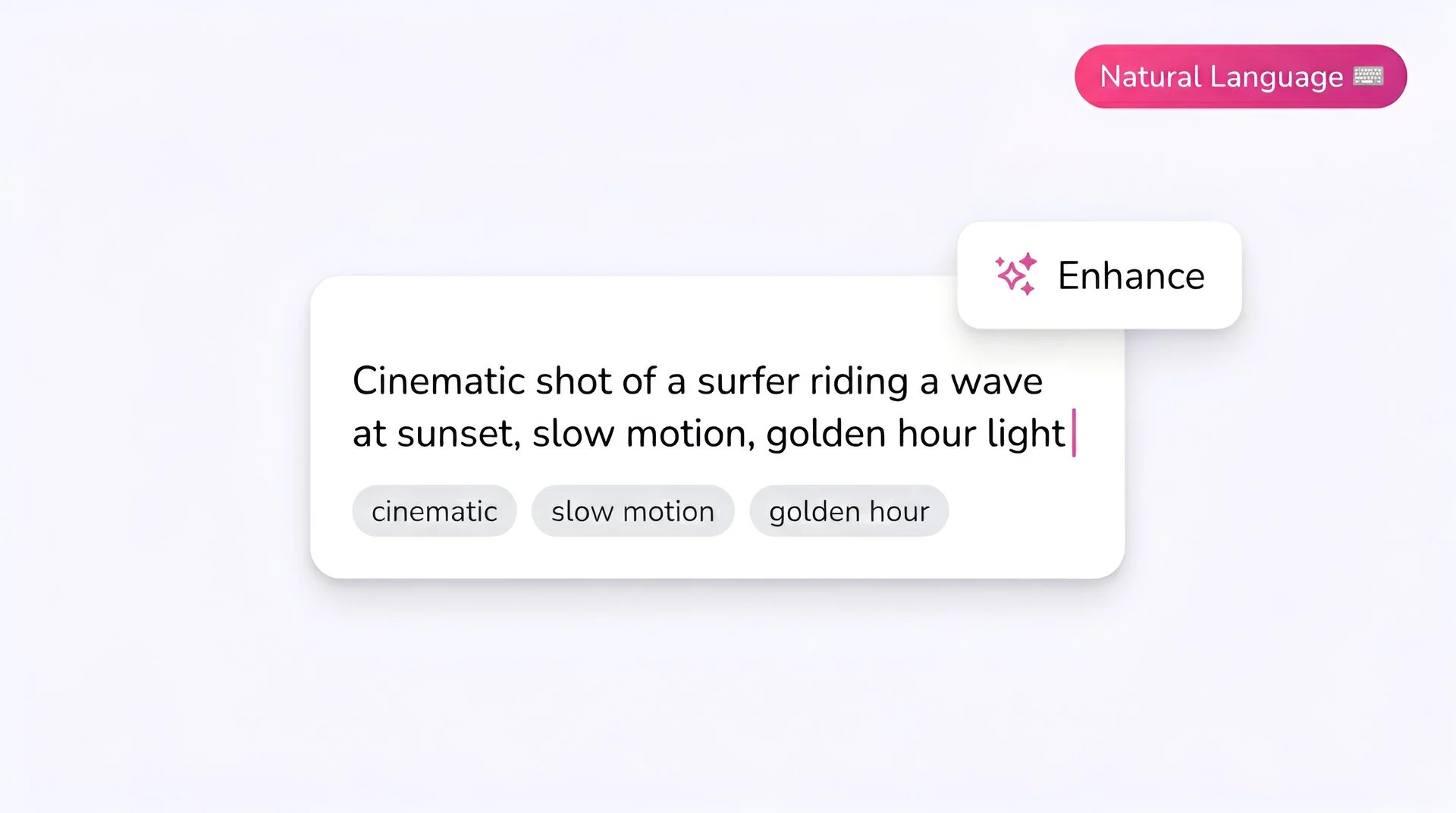
Write your prompt
Open Fliki and describe the scene in plain language: subject, setting, lighting, camera, and any dialogue in quotes. Seedance 2.0 Fast follows long, detailed prompts, so write it like a shot list with timecodes if you want cuts.
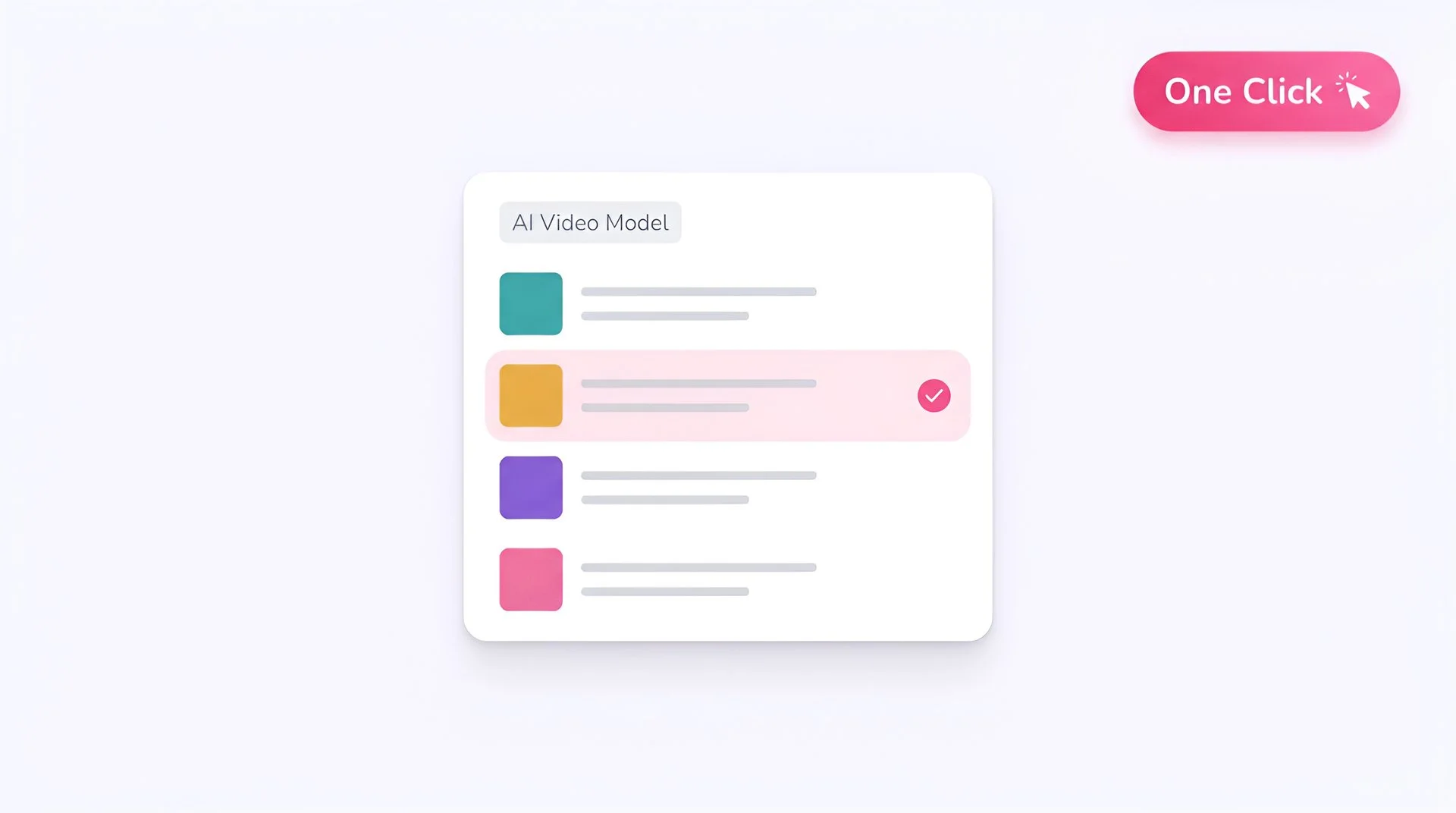
Select Seedance 2.0 Fast as your model
Open the model selector in Fliki and choose Seedance 2.0 Fast. It is available in the regular video tools as well as the AI Playground.
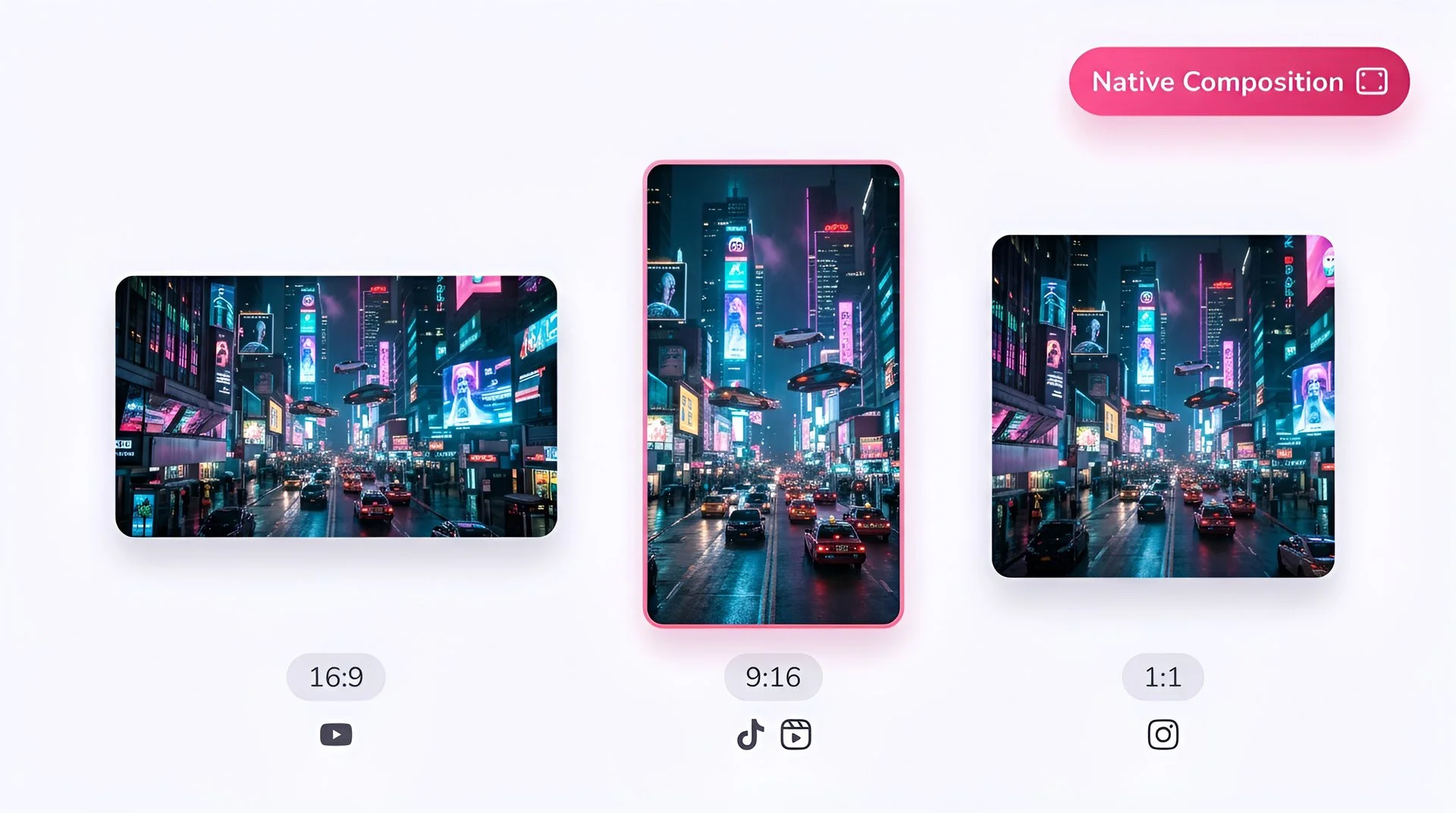
Pick your aspect ratio
Choose 16:9 for YouTube and landscape web, 9:16 for TikTok, Reels, and Shorts, or 1:1 for feed posts. Seedance 2.0 Fast composes each ratio natively.
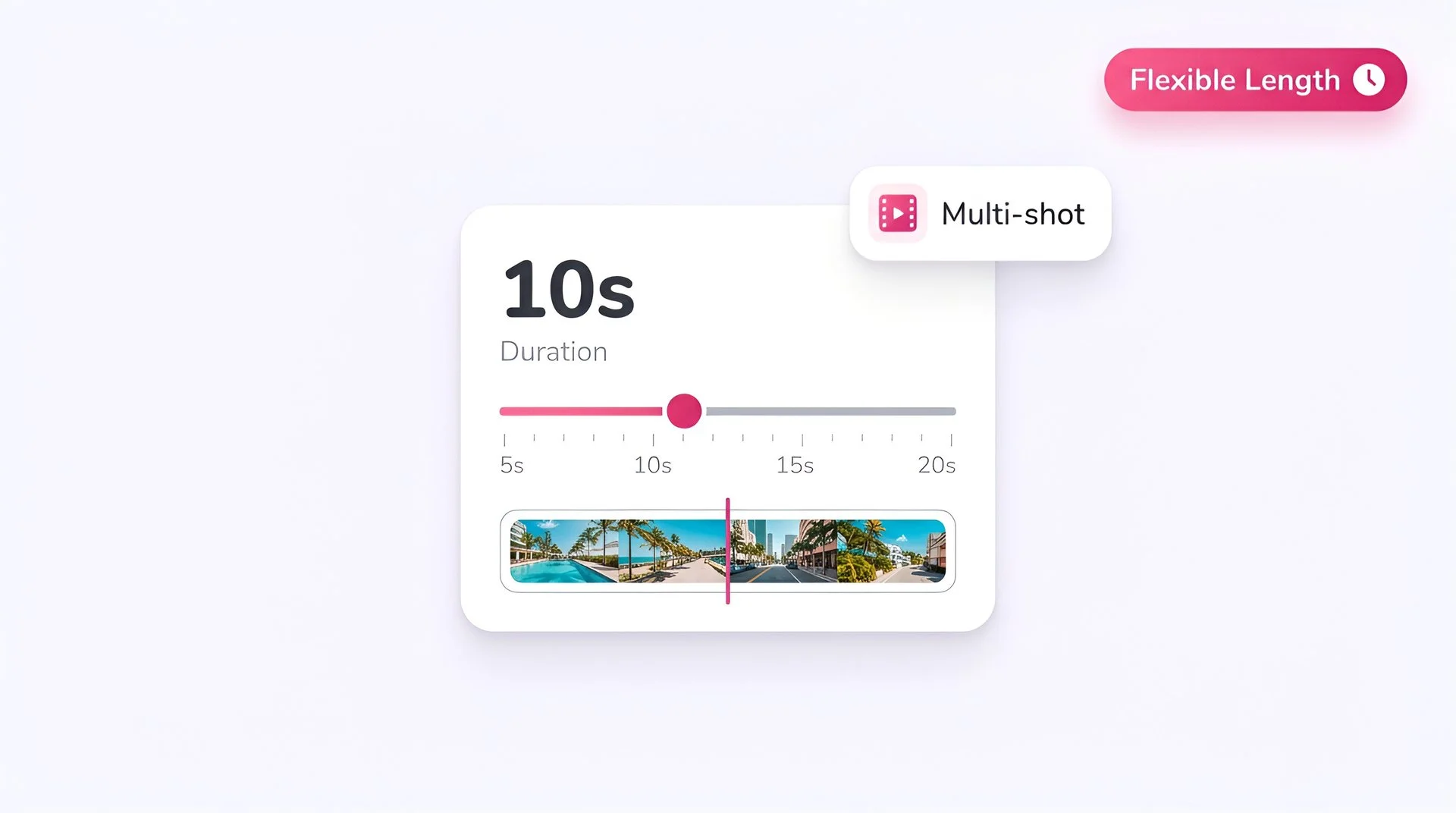
Set the duration
Pick any whole number of seconds from 4 to 15. Shorter clips come back quicker for testing; 10 to 15 seconds gives room for two to four cuts.
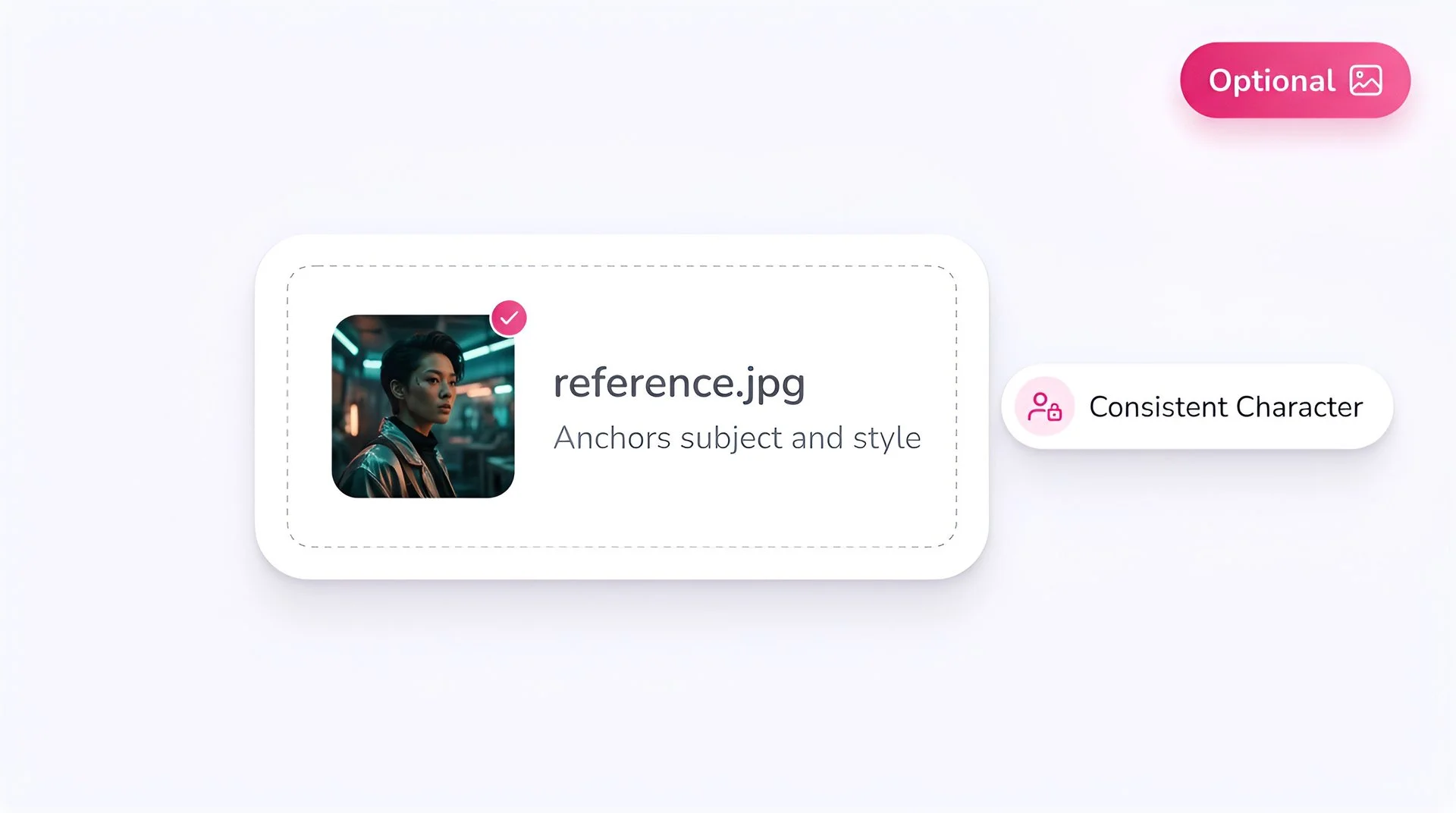
Add references (optional)
Attach up to 9 reference images, 3 video clips, and 3 audio clips, plus optional first and last frames, to lock a character, product, move, or voice.
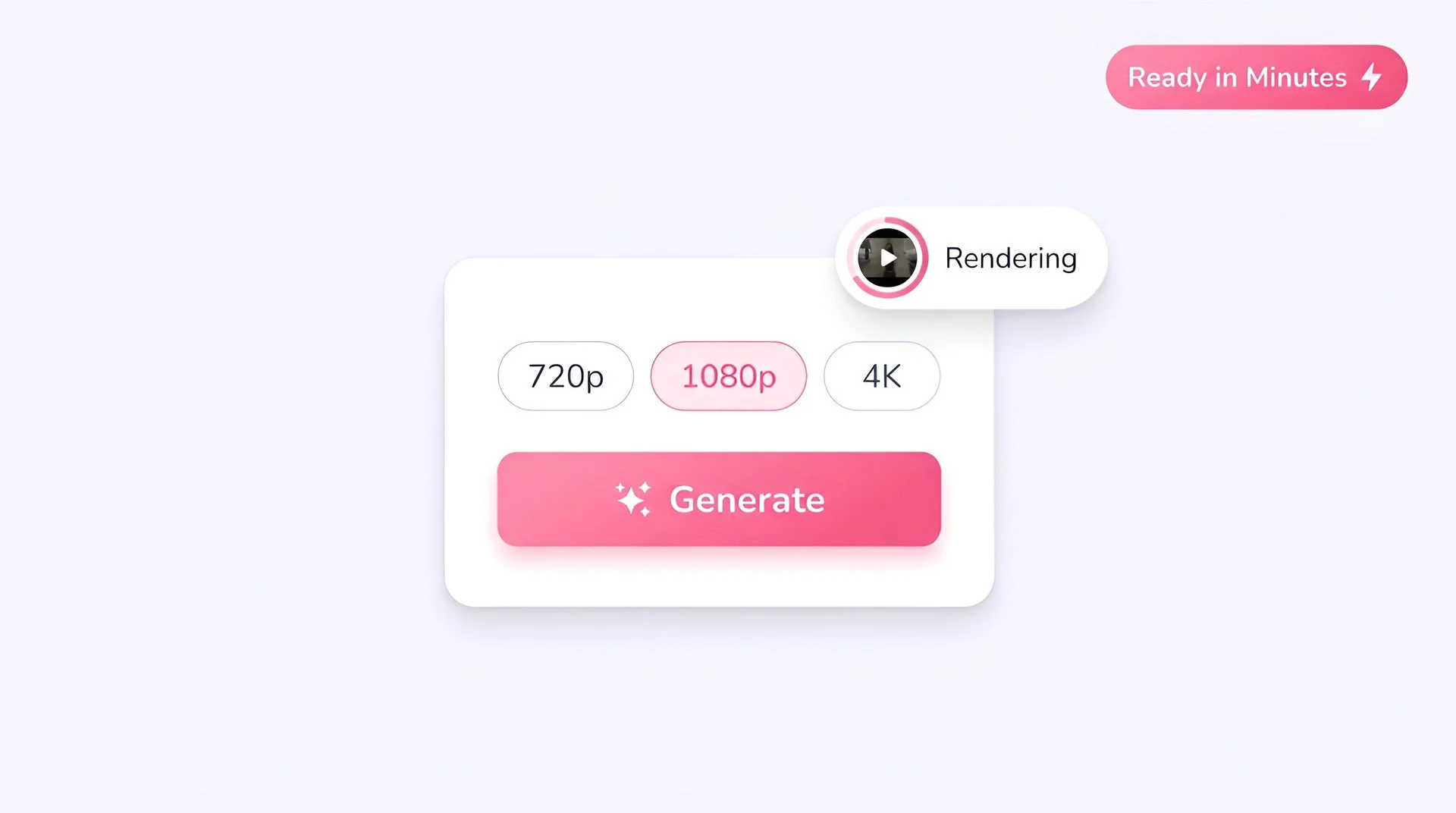
Select resolution and generate
Choose 480p for the fastest, cheapest drafts or 720p for delivery, then hit Generate.
AI MODEL GALLERY
Built on the best AI models - ready inside Fliki
Every leading video, voice, and image model - integrated, unified, and tuned for creators. Generate with the latest AI video, AI voice, and AI image models from OpenAI, Google, Kling, Bytedance, ElevenLabs, and more - all from one place.





Seedance 2.0 Fast FAQ
Frequently asked questions
Everything you need to know about generating with Seedance 2.0 Fast inside Fliki.
Seedance 2.0 Fast is the speed tier of ByteDance's Seedance 2.0 family. It supports text-to-video and image-to-video with image, video, and audio references, and returns clips faster and at lower cost than the standard Seedance 2.0.
Seedance 2.0 Fast is available on Basic, Standard, and Premium plans. Basic can render at 480p; Standard and Premium can also render at 720p. It is not included on the Free plan.
Seedance 2.0 Fast appears in the model pickers across Fliki video tools and in the AI Playground.
Any whole number of seconds from 4 to 15.
480p and 720p, in 16:9, 9:16, or 1:1.
ByteDance's Seedance 2.0 family generates synchronized audio, and the Fast tier can produce dialogue, effects, and ambience alongside the video.
Yes. Describe each shot with timecodes and the model executes hard cuts between them in one clip, keeping characters and props consistent.
Seedance 2.0 is the fuller-quality tier and Seedance 2.5 is the newest, with clips up to 30 seconds and far more references; both are Premium-only in the AI Playground. Seedance 2.0 Mini is cheaper than Fast and suits simpler or illustrated scenes. Fast sits in the middle: quicker and cheaper than 2.0, with more headroom than Mini.
Still curious?
Try Fliki free in your browser, no credit card required.
Start free→More from Fliki


AI video models
Discover more
Tools
Discover features
Generate your next video with Seedance 2.0 Fast.
The quicker Seedance 2.0 tier: multi-shot cuts, reference input, and sound, at a lower credit cost. Free to start, no credit card required.
Generate your first video freeFree forever plan · No credit card required · Cancel anytime